Product categories
- Brands (58)
- Easy Fresh (9)
- Face Fresh (37)
- Yusma (12)
- Hair Care (1)
- HAIR OILS (1)
- Shop by Concern (53)
- Acne & Pimples (22)
- Dark Circles (7)
- Dark Spots & Pigmentation (34)
- Dull Skin & Glow (37)
- Freckles (3)
- Open Pores & Texture (14)
- Sagging & Skin Firmness (8)
- Scars & Stretch Marks (4)
- Uneven Skin Tone (26)
- Wrinkles & Anti-Ageing (20)
- Shop by Skin Type (57)
- Acne-Prone Skin (13)
- Combination Skin (28)
- Dry Skin (19)
- Mature Skin (6)
- Oily Skin (17)
- Sensitive Skin (9)
- Skincare (57)
- Skincare ingredient (54)
- Aloe Vera (19)
- Alpha Arbutin (24)
- Amla (1)
- Azelaic Acid (4)
- Collagen (5)
- Cucumber (2)
- Glutathione (15)
- Glycolic Acid (3)
- Hyaluronic Acid (19)
- Kojic Acid (20)
- Milk & Honey (10)
- Niacinamide (38)
- Retinol (3)
- Rice Water (1)
- Rose Water (4)
- Salicylic Acid (4)
- Shea Butter (6)
- Tea Tree Oil (4)
- Vitamin C (17)
- Vitamin E (25)
- Uncategorized (0)
Showing 1–16 of 54 resultsSorted by popularity
 Sale!
Sale! Sale!9.99$
15.99$38% OffAdd to cart This product has multiple variants. The options may be chosen on the product page Sale!9.99$
15.99$38% OffAdd to cart This product has multiple variants. The options may be chosen on the product page Sale!9.99$
16.99$41% OffAdd to cart This product has multiple variants. The options may be chosen on the product page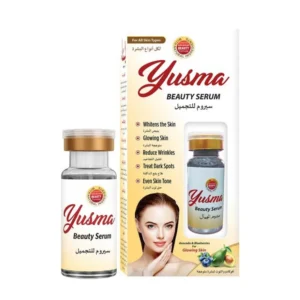 Sale!
Sale!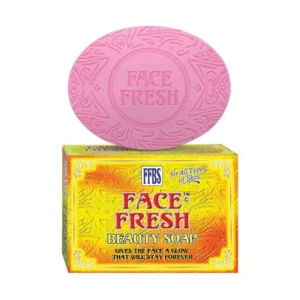 Sale!
Sale!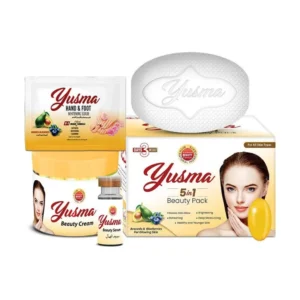 Sale!
Sale!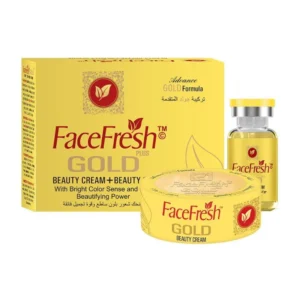 Sale!
Sale! Sale!
Sale! Sale!9.99$
16.99$41% OffAdd to cart This product has multiple variants. The options may be chosen on the product page Sale!7.99$
13.99$43% OffAdd to cart This product has multiple variants. The options may be chosen on the product page Sale!9.99$
16.99$41% OffAdd to cart This product has multiple variants. The options may be chosen on the product page Sale!
Sale! Sale!
Sale! Sale!
Sale! Sale!
Sale!
Skincare ingredients are printed in order of how much of each is in the pack, from most to least — down to the point where an ingredient makes up around one per cent. Below that, the order stops meaning anything. So an ingredient named on the front of a carton might be third on the list, or twenty-third, and only the list tells you which.
How to read an ingredients list in about ten seconds
Look at the first three. These are what the product mostly is — usually water, an oil or butter, a cleansing agent, a thickener. They decide how it feels and whether it suits your skin type. They are rarely the reason you bought it.
Look for the preservative and the fragrance. These are almost always used at low levels. Anything listed after them is present in a small amount, whatever the front of the pack says about it.
The actives usually sit between the two. That middle stretch is where a brightening or exfoliating ingredient will be if it is doing real work in the formula.
Then read the end anyway. Colourants and fragrance components sit there, and if you react to fragrance that tail is the part you care about most.
We publish the full ingredients list on every product page. What we do not publish is percentages, and that is worth saying plainly — the order tells you the ranking, not the dose.
The twenty ingredients on this page, grouped by what they do
Tone and marks — alpha arbutin, kojic acid, glutathione, niacinamide, vitamin C and azelaic acid. These work on pigment, through different routes and at different speeds. They are the most-used group across the whole range, and the most oversold group in the category as a whole.
Water and comfort — hyaluronic acid, aloe vera, rose water, shea butter, milk and honey, and cucumber. These hold water in the skin or soften it. They do not change pigment, but skin that is holding water reflects light better, which is most of what people mean by “glow”.
Surface renewal — glycolic acid, salicylic acid and retinol. These speed up how quickly the surface layer is replaced. Faster turnover means marks clear sooner, and it also means more irritation if you overdo it.
Support and antioxidants — vitamin E, collagen, rice water and tea tree oil. A mixed group. Some protect the formula as much as the skin, which is a normal and legitimate job for an ingredient to have.
Hair — amla, in a single product.
The ingredients here that need more care than the label suggests
Retinol. Start at two or three nights a week, on dry skin, and build up only if nothing is flaking. Peeling is not the product working — it is the product working too fast. If you are pregnant or breastfeeding, ask your doctor before using anything with retinol in it.
Acids. One at a time, at night, and not on skin that has just been shaved, waxed or treated with a hair removal cream. The gap you leave between hair removal and an acid matters more than the acid itself.
Tea tree oil. Well tolerated by most people and a reliable irritant for a minority. Patch test on the inner forearm for two days before it goes near your face.
Everything in the tone-and-marks group, on skin that marks easily. Deeper tones tend to respond to inflammation by producing more pigment, and that response can last months. An active strong enough to irritate can therefore leave a new mark that outlives the one you were treating. Slower and gentler genuinely wins here; it is not a soft recommendation.
And a warning about products that are not ours. If an unbranded cream promises to change your skin in days, read its list for hydroquinone, mercury compounds or a corticosteroid such as clobetasol or betamethasone. These are restricted or banned in cosmetics across most of the world, they are the reason “fast results” creams work fast, and the damage they do — thinning, rebound darkening, vessel damage — is much harder to undo than the marks they were bought for.
What an ingredient name on the front of a pack does not promise
Presence is not potency. A product can list vitamin C and contain a trace of it. The list will tell you the ranking, and nothing on the market is obliged to tell you the dose.
“Natural” is not a regulated word, and it carries no information about how well something works or how kind it is to skin. Several of the most reliable irritants in cosmetics are plant extracts.
An ingredient that performs in a leave-on product may do very little in something you rinse away after twenty seconds. That is not a reason to avoid the rinse-off version — it is a reason not to expect it to do the leave-on version’s job. How long a salicylic acid wash actually needs to stay on is the clearest worked example we have of this.
And “brightening” is an outcome, not a mechanism. Several unrelated ingredients can produce it, which is why the word appears on so many different formulas. What the word actually means on a label is worth reading before you compare two products by their claims.
Where to go next
If you want the single most common ingredient in the range explained properly — including why you may already be using it four times a day without noticing — start with the one that appears in almost everything.
If marks are your reason for being here, the pigment ingredient with the gentlest track record is a sensible first read, and it leads to the products that carry it.
If you want strength and are prepared to go slowly, the one that renews the surface fastest is the page to read before you buy, not after.
And if you would rather choose by product than by ingredient, the single-ingredient ampoules are the shortest route — one active each, so you always know what you are testing.
Frequently asked questions
Does the order of a skincare ingredients list matter?
Yes, down to a point. Ingredients present at more than about one per cent are listed from most to least. Below that threshold they can be listed in any order, which is why two products with very different amounts of an active can look similar on the label.
Where do the active ingredients usually sit on the list?
Generally in the middle — after the base and the thickeners, before the preservative and fragrance. An active listed dead last, after the colourants, is present in a very small amount regardless of how prominently it is named on the front.
Can I use two brightening ingredients at the same time?
Often yes, and it is usually unnecessary. Two products with different pigment ingredients will not cancel each other out, but you double the irritation risk for a modest gain. If you do combine, add the second one after four to six weeks rather than on day one, so you can tell what caused what.
Do you publish the percentage of each ingredient?
No. We publish the full list, in order, on every product page. Percentages are not disclosed, and you should treat any brand quoting an exact figure without supporting evidence with the same scepticism you would apply to any other unverifiable number.
Which ingredients should I not use on the same night?
Keep retinol and an exfoliating acid on separate nights. Keep any acid away from skin that has just been shaved or had hair removal cream on it. Beyond that, most pairings are more about how much your skin will tolerate than about chemistry.
Is a long ingredients list a bad sign?
No. A long list often just means the formula includes several emollients, a preservative system and a fragrance. A short list is not automatically gentler either — a three-ingredient product built around a strong acid is harsher than a thirty-ingredient cream.
How do I check an ingredient before I buy something?
Open the product page, read the list in full, and find the ingredient you care about. If it appears near the end, adjust your expectations. If you are patch testing, the inner forearm for two days will catch most reactions before they reach your face.