Free Shipping $99

+971-56842-8933
24/7 Customer service
Type antibacterial soaps for acne into a search bar and you get bars promising to kill the bacteria behind breakouts. That’s half the story: a pimple starts inside a blocked pore a bar never reaches, and a harsh wash can strip your barrier into more oil.
Showing all 22 resultsSorted by popularity
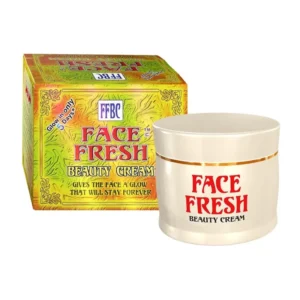
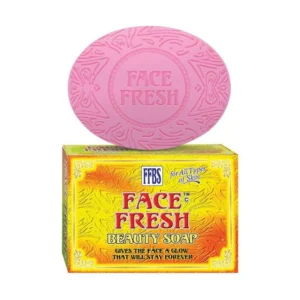
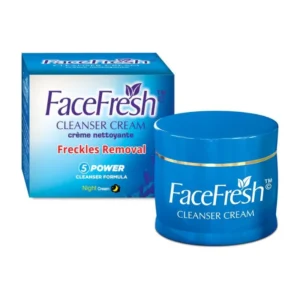
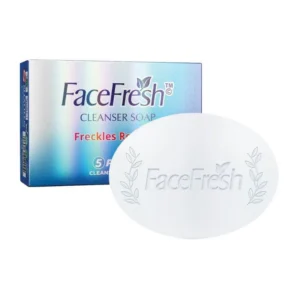
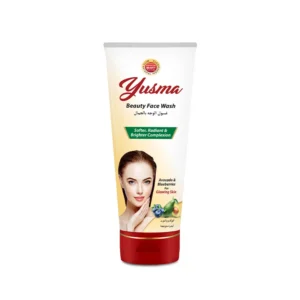
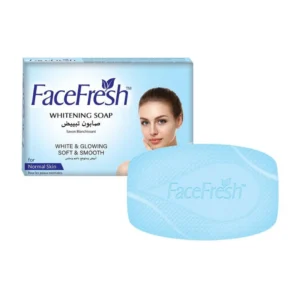
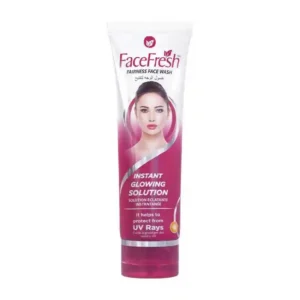
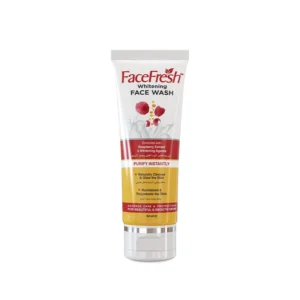
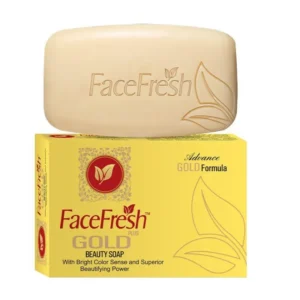
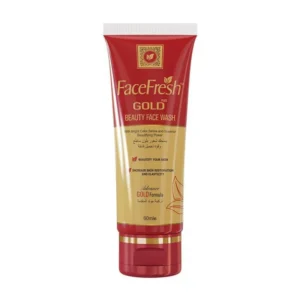
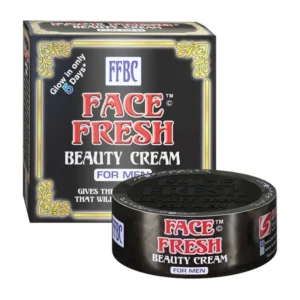
Most breakouts start the same way: a pore fills with oil and dead skin, then the bacteria that live on everyone's skin multiply inside that blockage and trigger inflammation. Hormonal shifts (adolescence, your cycle, stress) increase how much oil your skin produces, which gives the process more raw material to work with. Diet and hygiene get blamed often but play a smaller role than oil and hormones for most people. Body acne on the chest and back usually has an extra driver: sweat and tight fabric trapped against skin for hours, which is why it often needs a different routine than the face.
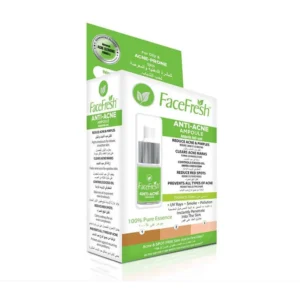
Anti-Acne Ampoule — for an active facial breakout. Water-based, no acids, no oils and no fragrance, so it controls oil and calms redness without adding anything that could irritate inflamed skin. Apply a thin layer morning or night, under your usual moisturiser.
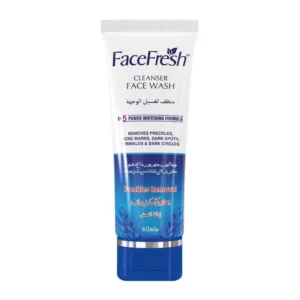
Cleanser Face Wash — for marks left behind once a spot has healed. Its salicylic acid sits low in the ingredient list, which is honestly why it suits fading old, flat marks over several weeks rather than treating a spot that is still active and inflamed.
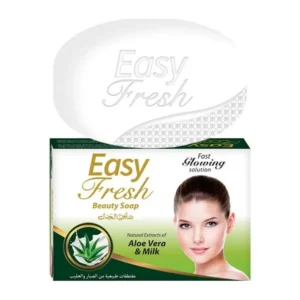
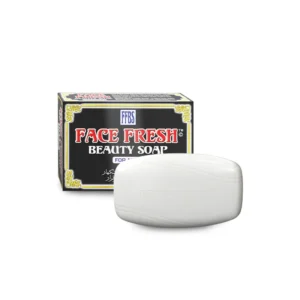
Easy Fresh Beauty Soap — for everyday face-and-body maintenance, including body soap for pimples on the chest and back. A gentle bar with mild tone actives that will not over-strip skin used daily. Pair it with the ampoule for real breakout control rather than expecting a bar alone to treat active spots.
Breakouts that start or come back in your twenties, thirties or forties are common, especially in women. They tend to look different from teenage acne: fewer blackheads, more deep, tender spots along the jawline, chin and around the mouth, often flaring at the same point in each monthly cycle.
Hormones are the main driver, and stress makes them worse. A few everyday things add to it too: heavy creams or hair oils that end up on the face, a phone or a mask edge pressing on the same patch of skin, and in the Gulf, sweat trapped under a scarf, cap or helmet for hours.
Adult acne treatment works best when it is steady rather than aggressive. Adult skin is usually drier and more easily irritated than teenage skin, so harsh scrubs and strong drying washes backfire faster. A gentle cleanser, one leave-on ingredient used every day, a light moisturiser, and patience for eight to twelve weeks is the routine that works. If your breakouts come with irregular periods, new hair growth on the face or sudden weight changes, see a doctor. These can point to a hormonal condition that needs medical treatment, not skincare.
Whiteheads are closed, blocked pores: small, skin-coloured or white bumps with no opening at the surface. Because they are closed, squeezing them rarely empties them and often turns them into red, inflamed spots. The best treatment is to unclog them slowly from the surface instead.
Give any of these six to twelve weeks. Whiteheads clear slowly, and they often look a little worse in the first few weeks as pores start to empty.
An effective acne treatment has three things: an ingredient with real evidence behind it, a format that stays on your skin, and you using it every day across the whole area where you break out, not just on the spots you can see.
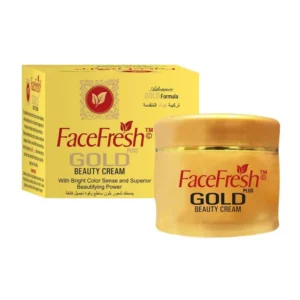
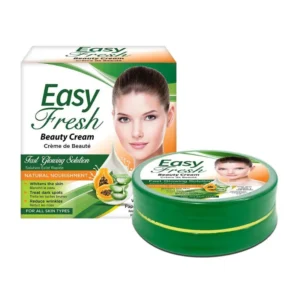
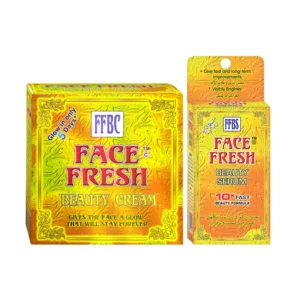
The ingredients with the strongest evidence are benzoyl peroxide, salicylic acid, retinoids and azelaic acid. Niacinamide is a useful, gentle support. None of our products contain benzoyl peroxide. Our Anti-Acne Ampoule 5ml is a niacinamide-based leave-on for oily, breakout-prone skin, and the Face Fresh Gold Beauty Cream carries salicylic, glycolic and azelaic acid together, so use it on its own rather than alongside another acid.
See a dermatologist rather than trying another product if your spots are deep, painful lumps, if they are leaving dents or raised scars, or if three months of a steady routine has changed nothing. Prescription treatment exists for exactly these cases, and it works.
Clear skin comes from consistency far more than from any single product. For help choosing a cleanser, read what is the best soap for pimples, and for the full routine see acne-prone skin.
They reduce surface bacteria for the short time they are on your skin, but cannot reach inside a blocked pore. Some also strip your barrier, which increases oil. Use one as a mild daily wash, not your main treatment.
The Anti-Acne Ampoule calms oil and redness generally, but it is not a fast overnight spot treatment. For one sudden, painful pimple, a targeted over-the-counter treatment or a dermatologist visit will usually work faster.
The Cleanser Face Wash is built for the flat marks left after a spot heals, not for an active red pimple. Expect gradual fading over several weeks, alongside a separate approach for anything still inflamed.
A soap helps by clearing sweat and oil daily, which matters on the body, but it cannot treat an active breakout on its own. Shower soon after sweating and keep clothing loose where you can.
Yes. The Anti-Acne Ampoule and Cleanser Face Wash work on different problems, so use the wash for marks and the ampoule for active oil at the same time. Neither is sold as a pimple scars serum, but the wash does fade old marks gradually.
It's built for marks left behind once a spot has healed rather than an active breakout, so use it as a gentle daily wash for maintenance, not as a treatment for a current flare-up.
Yes. Neither contains acids or fragrance that would clash. Cleanse with the Beauty Soap or Cleanser Face Wash first, then apply the ampoule to slightly damp skin before your moisturiser.
Oil control and redness usually ease within a few weeks of consistent use. Flat marks left behind take longer, often two to three months. Persistent or cystic breakouts are better handled with a dermatologist alongside your routine.
No. Skin that is dried out by acne treatments often makes more oil and gets more irritated, which can mean more breakouts. Use a light, non-greasy moisturiser every day, especially if you are using salicylic acid or another drying ingredient.
When spots are deep, painful or leaving scars, when acne suddenly starts in adulthood alongside other changes such as irregular periods, or when three months of a consistent routine has not helped. A dermatologist can prescribe treatments that are not available over the counter.
WELCOME GIFT
Get 10% off your first order