Product categories
- Brands (58)
- Easy Fresh (9)
- Face Fresh (37)
- Yusma (12)
- Hair Care (1)
- HAIR OILS (1)
- Shop by Concern (53)
- Acne & Pimples (22)
- Dark Circles (7)
- Dark Spots & Pigmentation (34)
- Dull Skin & Glow (37)
- Freckles (3)
- Open Pores & Texture (14)
- Sagging & Skin Firmness (8)
- Scars & Stretch Marks (4)
- Uneven Skin Tone (26)
- Wrinkles & Anti-Ageing (20)
- Shop by Skin Type (57)
- Acne-Prone Skin (13)
- Combination Skin (28)
- Dry Skin (19)
- Mature Skin (6)
- Oily Skin (17)
- Sensitive Skin (9)
- Skincare (57)
- Skincare ingredient (54)
- Aloe Vera (19)
- Alpha Arbutin (24)
- Amla (1)
- Azelaic Acid (4)
- Collagen (5)
- Cucumber (2)
- Glutathione (15)
- Glycolic Acid (3)
- Hyaluronic Acid (19)
- Kojic Acid (20)
- Milk & Honey (10)
- Niacinamide (38)
- Retinol (3)
- Rice Water (1)
- Rose Water (4)
- Salicylic Acid (4)
- Shea Butter (6)
- Tea Tree Oil (4)
- Vitamin C (17)
- Vitamin E (25)
- Uncategorized (0)
Hyaluronic Acid
Every page about hyaluronic acid serum benefits leads with the same statistic: it holds a thousand times its weight in water. That figure comes from a laboratory beaker, not from a face, and it is close to useless when you are choosing between two bottles.
The number that would actually help you is molecular weight, and almost nobody prints it — including us. This page explains why it matters, what you can judge instead, and where hyaluronic acid stops being useful.
Showing 1–16 of 19 resultsSorted by popularity
 Sale!
Sale! Sale!9.99$
15.99$38% OffAdd to cart This product has multiple variants. The options may be chosen on the product page Sale!
Sale! Sale!
Sale!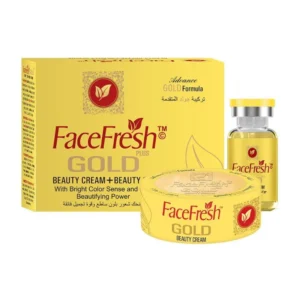 Sale!
Sale!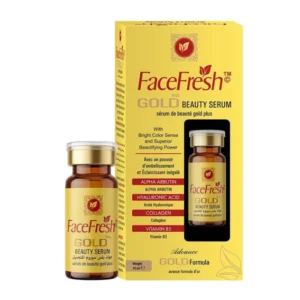 Sale!9.99$
16.99$41% OffAdd to cart This product has multiple variants. The options may be chosen on the product page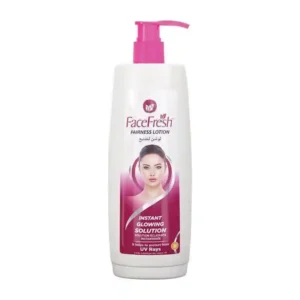 Sale!
Sale! Sale!
Sale!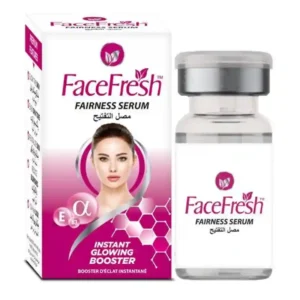 Sale!
Sale!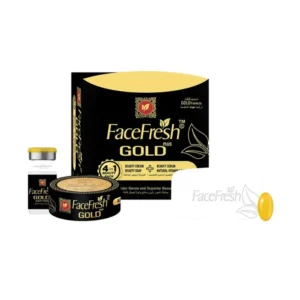 Sale!
Sale! Sale!
Sale!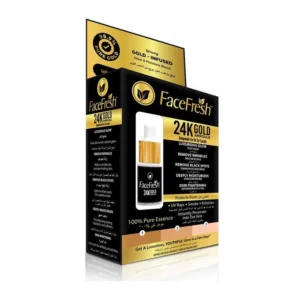 Sale!
Sale! Sale!
Sale!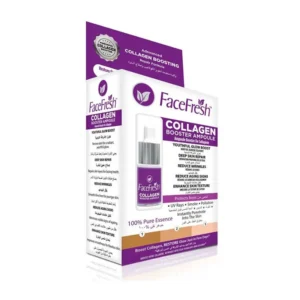 Sale!
Sale!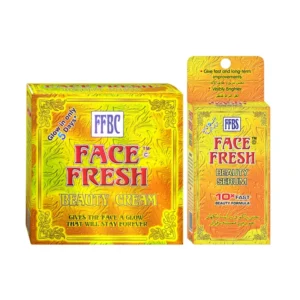 Sale!
Sale!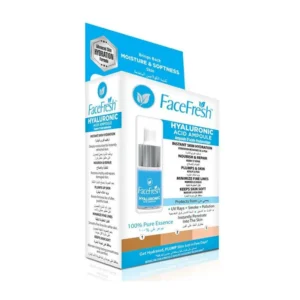 Sale!
Sale!
Your skin already makes it
Hyaluronic acid is not a foreign active. It is a sugar chain your body produces continuously, sitting between skin cells and holding the water that keeps tissue plump. The amount you make declines with age and drops with sun exposure.
That is the first thing to understand about the topical version: applying it does not top up your own supply. The molecules you produce sit in the dermis, well below where any cream reaches. What a serum does is add hyaluronic acid to the surface layers, where it holds water for a while and then stops.
This is why the effect is real and reversible. Skin genuinely looks smoother and fuller while the serum is doing its job, and returns to baseline within a day or two of stopping. Nothing about that is a failure of the product — it is what a humectant does.
Molecular weight is the number that matters
Hyaluronic acid is manufactured in a range of chain lengths, and they behave differently. High molecular weight forms are too large to get past the surface; they sit on top, form a film, and hold water at the outermost layer. Low molecular weight forms are small enough to move a little way into the skin, where the hydration lasts longer and reads as fullness rather than as a surface effect.
Well-built products use several sizes at once so that both things happen. Poorly built ones use whichever was cheapest, and you cannot tell from the label which you have — the INCI reads 'hyaluronic acid' or 'sodium hyaluronate' either way.
Face Fresh does not declare molecular weight on any product, and there is no honest way to dress that up. What you can judge is texture and behaviour: a serum that feels slightly tacky and dries to a faint film is weighted toward the larger sizes, while one that sinks in with no residue is weighted toward the smaller.
It does not add water, it holds it
This is where hyaluronic acid goes wrong for most people, and it goes wrong in a predictable way. A humectant pulls water toward itself from whatever source is available — the air, or the deeper layers of your own skin.
In a humid Gulf summer, that works in your favour. In an air-conditioned office at twenty-two degrees, the air has very little to give, and a hyaluronic acid layer left bare on the skin can end up drawing moisture upward and letting it evaporate. The result is skin that feels tighter after the serum than before it, which people usually read as the product not working.
The fix is not a stronger serum. It is something over the top: a cream, a lotion, anything with an occlusive in it. Apply the serum to damp skin, seal it within a minute, and the same bottle behaves completely differently.
Serum, moisturiser or body lotion
A hyaluronic acid boosting serum is the most concentrated way to use it, and the format that most needs something layered over it. The Face Fresh Hyaluronic Acid Ampoule is the dedicated one in the range, and it also carries two palmitoyl peptides alongside the hyaluronic acid.
A hyaluronic acid moisturizer for face folds both jobs into one step — humectant and occlusive in the same product — which is simpler and slightly less potent. If you have ever found a serum-plus-cream routine too fiddly to keep up, this is the honest recommendation.
A hyaluronic acid body lotion is a different proposition again, because body skin is thicker and drier and the areas that need it most are the ones you cover with clothes all day. Face Fresh has no hyaluronic-acid-only body lotion; the Face Fresh Fairness Lotion is the one in the range that carries it, alongside its tone actives.
What it will not do
Hyaluronic acid does nothing for pigmentation, nothing for acne, and nothing structural for lines. The smoothing you see on fine lines is water sitting in the surrounding tissue and lifting the surface slightly; the line itself is unchanged and reappears when the hydration goes.
It also cannot reach a deep scar or a stretch mark, both of which are damage in the dermis. Surface hydration cannot fill a tear several layers below it, however good the product is.
None of that makes hyaluronic acid a poor buy. It makes it a comfort and appearance ingredient rather than a corrective one, and knowing the difference is what stops you being disappointed by a serum that is doing exactly what it should.
Which Face Fresh product suits you
Four products where hyaluronic acid is a reason to buy rather than a supporting line. Pick by what you want it paired with.
- Face Fresh Hyaluronic Acid Ampoule — hydration as the whole point. The concentrated version, with two peptides alongside. Apply to damp skin and put something over it — that single habit decides whether it works.
- Face Fresh Collagen Booster Ampoule — if firmness matters as much as hydration. Hyaluronic acid alongside a long list of ferment extracts. Aimed at skin that looks tired rather than dry.
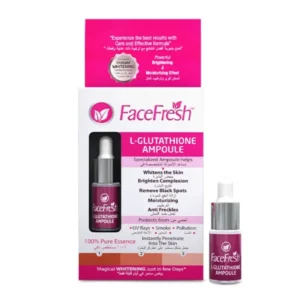
- Face Fresh L-Glutathione Ampoule — hydration plus tone. Hyaluronic acid sitting in a brightening formula, so the surface plumping and the pigment work happen in one step.
- Face Fresh Gold Plus Beauty Serum — for lines and tone together. Hyaluronic acid with collagen and alpha arbutin. The one to choose if fine lines and unevenness arrived at the same time.
One practical note that applies to all four. Hyaluronic acid works on damp skin and struggles on dry — so apply within a minute of washing, before your face has fully dried, and follow with a cream. Used the other way round, on a dry face in a cold room with nothing over the top, even the best formula in this list will make skin feel tighter than it did before.
Frequently asked questions
What is the difference between hyaluronic acid and sodium hyaluronate?
Sodium hyaluronate is the salt form — smaller, more stable and easier to formulate with. Both are the same active. Neither name tells you the molecular weight, which is the part that matters.
Why does my skin feel tighter after using it?
You applied it to dry skin, or left it bare in air conditioning. A humectant needs water to hold and something over it to stop that water evaporating. Damp skin, then a cream.
Does hyaluronic acid help with wrinkles?
It makes fine lines look shallower while the skin is hydrated, because the surrounding tissue swells slightly. The line itself is unchanged and returns when the hydration does.
Can oily skin use hyaluronic acid?
Yes, and it is often the best hydrator for oily skin because it adds water without adding oil. Use a gel or lotion over it rather than a rich cream.
How often should I use it?
Twice a day is fine and most people notice the difference within a week. Unlike actives, there is no adjustment period and no reason to build up slowly.
Is a higher percentage better?
No. Above about two percent, formulas get sticky without getting more effective, and the size distribution matters far more than the total amount.
Can I use it with retinol or vitamin C?
Yes, with all of them. Hyaluronic acid is chemically inert toward other actives and is often used specifically to make stronger ingredients more comfortable.
Does it work on the body?
Yes, though body skin is thicker and needs a heavier occlusive over the top. Shins, elbows and the backs of the hands are where most people notice it first.
If you take one thing from this page, make it the habit rather than the product: damp skin, thin layer, something over the top within a minute. Look through the hydrating ampoules and lotions and pick the pairing that suits how dry the air around you actually is.