Product categories
- Brands (58)
- Easy Fresh (9)
- Face Fresh (37)
- Yusma (12)
- Hair Care (1)
- HAIR OILS (1)
- Shop by Concern (53)
- Acne & Pimples (22)
- Dark Circles (7)
- Dark Spots & Pigmentation (34)
- Dull Skin & Glow (37)
- Freckles (3)
- Open Pores & Texture (14)
- Sagging & Skin Firmness (8)
- Scars & Stretch Marks (4)
- Uneven Skin Tone (26)
- Wrinkles & Anti-Ageing (20)
- Shop by Skin Type (57)
- Acne-Prone Skin (13)
- Combination Skin (28)
- Dry Skin (19)
- Mature Skin (6)
- Oily Skin (17)
- Sensitive Skin (9)
- Skincare (57)
- Skincare ingredient (54)
- Aloe Vera (19)
- Alpha Arbutin (24)
- Amla (1)
- Azelaic Acid (4)
- Collagen (5)
- Cucumber (2)
- Glutathione (15)
- Glycolic Acid (3)
- Hyaluronic Acid (19)
- Kojic Acid (20)
- Milk & Honey (10)
- Niacinamide (38)
- Retinol (3)
- Rice Water (1)
- Rose Water (4)
- Salicylic Acid (4)
- Shea Butter (6)
- Tea Tree Oil (4)
- Vitamin C (17)
- Vitamin E (25)
- Uncategorized (0)
Oily Skin
Your oil glands produce sebum continuously, all day, whether you washed at seven this morning or not. So a face wash for oily skin is never removing a fixed amount of oil — it is clearing a surface that starts refilling straight away. Most people notice shine returning within an hour or two. That is normal skin behaviour, not a wash that failed.
Showing 1–16 of 17 resultsSorted by popularity
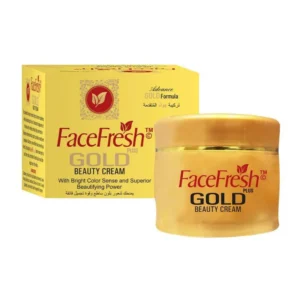 Sale!9.99$
16.99$41% OffAdd to cart This product has multiple variants. The options may be chosen on the product page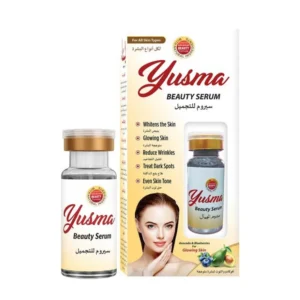 Sale!
Sale!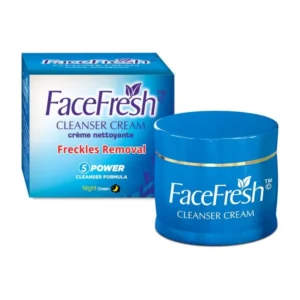 Sale!7.99$
13.99$43% OffAdd to cart This product has multiple variants. The options may be chosen on the product page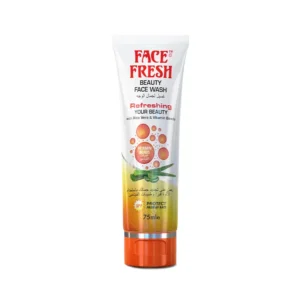 Sale!
Sale!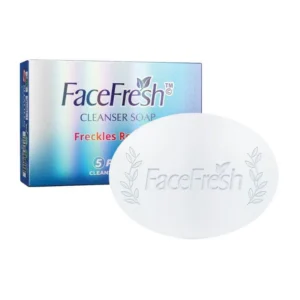 Sale!
Sale!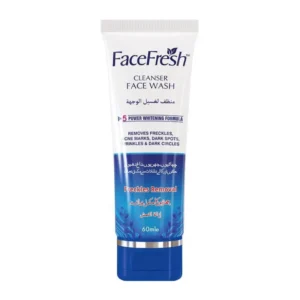 Sale!
Sale! Sale!
Sale!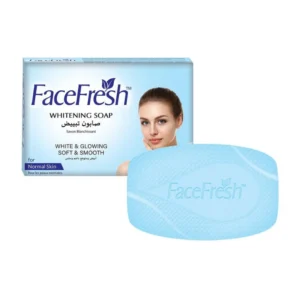 Sale!5.99$
9.99$40% OffAdd to cart This product has multiple variants. The options may be chosen on the product page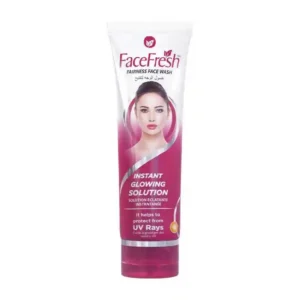 Sale!
Sale!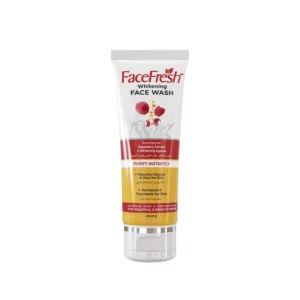 Sale!
Sale!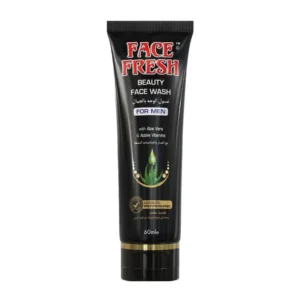 Sale!
Sale!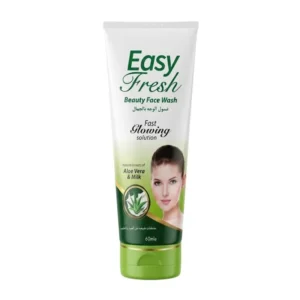 Sale!
Sale!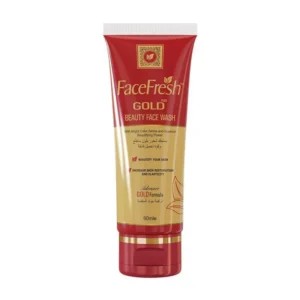 Sale!
Sale!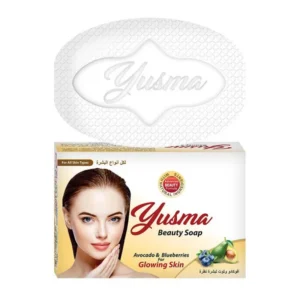 Sale!
Sale!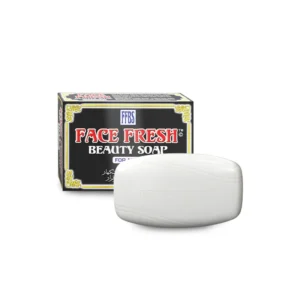 Sale!
Sale!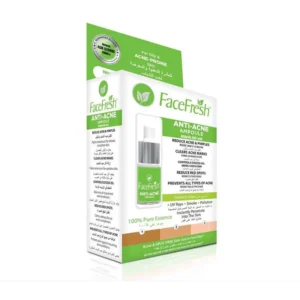 Sale!
Sale!
What a face wash can and cannot do about oil
A face wash for oily skin removes the sebum already sitting on the surface, along with sunscreen, sweat and the day's dust — a real job, and a bigger one in Gulf humidity, where everything stays on the skin longer.
What it cannot do is slow the gland. Nothing rinsed off in under a minute stays on your face long enough to change output. The phrase best face wash cream for oily skin turns up constantly in searches, and it is usually someone asking a good question badly: do I need the wash, or the cream? You need both, and they are not competing. The wash clears the surface. The leave-on is the only step with enough contact time to affect how that surface behaves an hour later.
The trap is stripping. When a cleanser removes more than the surface oil, skin does not become permanently drier — it becomes tight, then rough, then shiny again by mid-afternoon, and you end up managing two problems instead of one.
Which Face Fresh products suit oily skin
- Cleanser Face Wash 60ml — the daily wash if your skin is oily and marks easily. It is the only Face Fresh wash carrying salicylic acid, sitting low in the list beside kojic acid dipalmitate and alpha arbutin, so treat it as a cleanse that also works on old marks rather than as a spot treatment.
- the oily-skin bar, 100gm — a gentle soap for oily skin that earns its place on the body. Same palm-and-coconut base as the normal and dry versions, with zinc oxide and aloe vera gel added, and a 100gm bar covers shoulders, chest and back far more cheaply than a 60ml tube.
- Anti-Acne Ampoule 5ml — the serum for oily skin, and the only step here that touches oil output rather than oil already on the surface. Niacinamide sits second after water, there are no oils and no fragrance, and it is light enough to wear under sunscreen in summer.
- Men Beauty Lotion 400ml — moisture without a film. It is the one Face Fresh lotion built without petrolatum, mineral oil or wax, so it sinks in and leaves nothing behind. Alcohol denat sits fourth, which is exactly why it disappears so fast and why genuinely dry patches will not enjoy it.
Two of those four are enough to start. Add the third only once you know how your skin behaves on the first two.
What oily skin does not need
More washing. Twice a day is the ceiling for most people, plus a rinse after the gym. A third wash removes lipids the skin then spends the evening replacing.
An exfoliating wash, at least not in the sense the phrase implies. If you are looking for an exfoliating face wash for oily skin, be careful what you expect from one. The Cleanser Face Wash does contain salicylic acid, but it sits low in the ingredient list and is gone in under a minute — useful, and not exfoliation in any meaningful sense. The acids in this range that genuinely resurface sit in a leave-on cream, where they have hours rather than seconds to work.
A facial lotion for oily skin, because there is not one. Searches for a lotion for oily face are looking for something light, matte and oil-free, and Face Fresh does not currently make a facial moisturiser built to that brief. The closest thing is a body lotion that happens to be formulated without the heavy occlusives. Worth knowing before you buy rather than after.
Anything promising to shrink a pore or stop oil for good. Pore size is largely inherited, oil output is driven by hormones and climate, and no topical product changes either permanently. What a good routine does is keep the surface clear, keep the barrier intact and stop you making it worse — which, in practice, is most of the visible difference.
Frequently asked questions
Why does my face get shiny an hour after washing?
Because your oil glands never stop. Washing clears the surface; it does not slow production. Shine returning within an hour or two is normal, not evidence that the wash was too weak.
How often should I wash oily skin in this climate?
Twice a day, plus a rinse after the gym. Heat and humidity make a third wash tempting, but each one strips protective lipids the skin then works harder to replace.
Which is the best bathing soap for oily skin?
For the body, the Whitening Soap for Oily Skin bar. It carries zinc oxide and aloe vera gel over the same base as the other two, and one bar comfortably covers shoulders, chest and back.
Does oily skin still need a moisturiser?
Yes. Oil and water are different things — skin can be shiny and still short of water, particularly in air conditioning. Choose something light and water-based rather than skipping the step.
Can a face wash make oily skin worse?
It can. A cleanser that leaves your face squeaky has taken more than the surface oil, and skin that feels tight all morning is often flaky by evening and shiny again by four.
Will any of this stop blackheads?
Not reliably. A blackhead is oxidised sebum sitting inside the pore opening, out of reach of anything rinsed away in thirty seconds. Regular gentle cleansing slows new ones; nothing here empties an old one.
Does air conditioning make oily skin better or worse?
Both, oddly. Dry indoor air reduces surface shine while quietly dehydrating the skin underneath, so plenty of people here are oily on top and tight below. That combination is worth moisturising for.
If I only buy two things, which two?
The wash and the ampoule. Cleansing keeps the surface clear twice a day, and the leave-on is the only step with enough contact time to influence how much oil arrives in the first place.