Product categories
- Brands (58)
- Easy Fresh (9)
- Face Fresh (37)
- Yusma (12)
- Hair Care (1)
- HAIR OILS (1)
- Shop by Concern (53)
- Acne & Pimples (22)
- Dark Circles (7)
- Dark Spots & Pigmentation (34)
- Dull Skin & Glow (37)
- Freckles (3)
- Open Pores & Texture (14)
- Sagging & Skin Firmness (8)
- Scars & Stretch Marks (4)
- Uneven Skin Tone (26)
- Wrinkles & Anti-Ageing (20)
- Shop by Skin Type (57)
- Acne-Prone Skin (13)
- Combination Skin (28)
- Dry Skin (19)
- Mature Skin (6)
- Oily Skin (17)
- Sensitive Skin (9)
- Skincare (57)
- Skincare ingredient (54)
- Aloe Vera (19)
- Alpha Arbutin (24)
- Amla (1)
- Azelaic Acid (4)
- Collagen (5)
- Cucumber (2)
- Glutathione (15)
- Glycolic Acid (3)
- Hyaluronic Acid (19)
- Kojic Acid (20)
- Milk & Honey (10)
- Niacinamide (38)
- Retinol (3)
- Rice Water (1)
- Rose Water (4)
- Salicylic Acid (4)
- Shea Butter (6)
- Tea Tree Oil (4)
- Vitamin C (17)
- Vitamin E (25)
- Uncategorized (0)
Dark Spots & Pigmentation
Trying to find the best serum for dark spots and Hyperpigmentation usually means scrolling roundups that never agree, because none start with what matters: the kind of mark you have decides what fades it. Sun damage, an old breakout mark and a hormonal patch respond differently.
Showing 1–16 of 34 resultsSorted by popularity
 Sale!
Sale!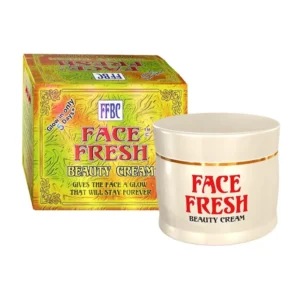 Sale!9.99$
15.99$38% OffAdd to cart This product has multiple variants. The options may be chosen on the product page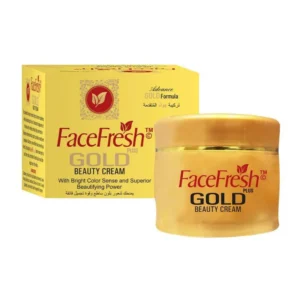 Sale!9.99$
16.99$41% OffAdd to cart This product has multiple variants. The options may be chosen on the product page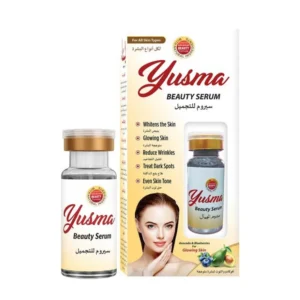 Sale!
Sale!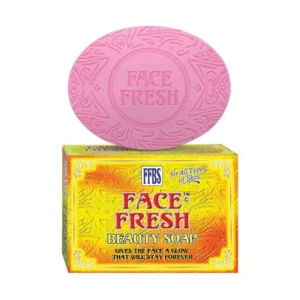 Sale!
Sale!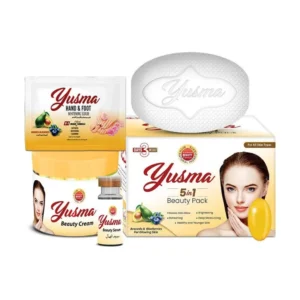 Sale!
Sale! Sale!
Sale!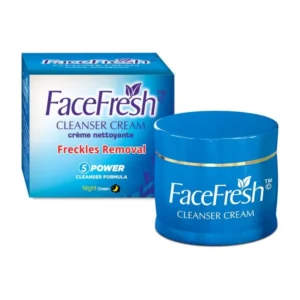 Sale!7.99$
13.99$43% OffAdd to cart This product has multiple variants. The options may be chosen on the product page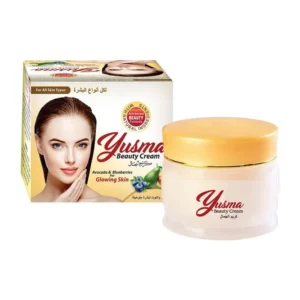 Sale!9.99$
16.99$41% OffAdd to cart This product has multiple variants. The options may be chosen on the product page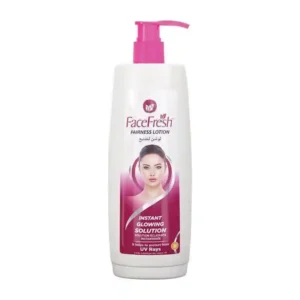 Sale!
Sale!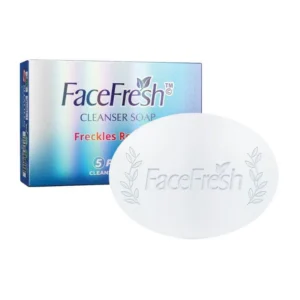 Sale!
Sale!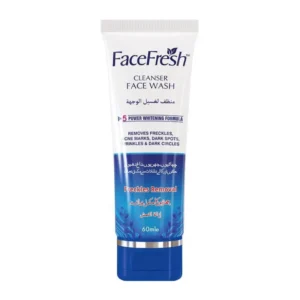 Sale!
Sale! Sale!
Sale! Sale!
Sale!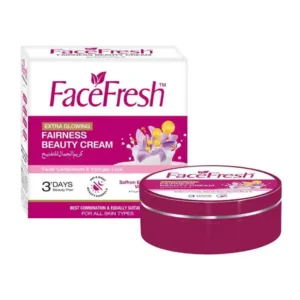 Sale!
Sale! Sale!
Sale!
What Causes Dark Spots
Most facial pigmentation comes down to one of three things. Sun exposure is the most common — UV light triggers extra melanin as a defence, and over years that builds into the flat brown patches people call sun spots or age spots, usually on the cheeks, forehead and the backs of the hands. Post-inflammatory marks are next — a mark that's left behind after a spot, a cut or even a patch of eczema has healed, sitting in the skin as a flat stain rather than raised scarring. Hormonal pigmentation, often patchy across the cheeks and upper lip, tends to be the most stubborn of the three and can need more than an over-the-counter routine to fully settle. Knowing which of these you're dealing with matters more than which product you buy.
What Actually Fades a Mark, and What Won't
A cream for pigmentation built around kojic acid, alpha arbutin or niacinamide works by slowing how much melanin your skin produces in the first place, rather than bleaching what's already there. That's why the honest timeframe is weeks, not days — most people using one of these ingredients consistently start noticing a change from around eight to twelve weeks in, and a stubborn mark can take longer still. A dark spot serum or cream is also working on pigment sitting in the upper layers of skin; a deep-set mark, old acne scarring, or long-standing melasma often sits lower and may need a dermatologist rather than a jar. And a face wash for dark spots, on its own, won't fade anything — a cleanser's job is to clear the day off your skin so the treatment product underneath it can actually work, not to treat the mark itself. One more honest point: none of the products below contain sunscreen. Fresh UV exposure creates new pigment about as fast as a good routine fades the old kind, so a daily SPF is what makes the rest of this page worth doing.
Which Face Fresh Product Fits Your Cause
For an everyday pigmentation cream for face use, spread across your whole complexion — the Fairness Cream carries alpha arbutin, kojic dipalmitate and niacinamide in one jar or tube, built for gradual, all-over tone evening rather than one spot at a time.
For marks left behind by old breakouts — the Yusma Beauty Serum pairs tea tree oil with pigment-fading actives, which is a different formula to a general sun-spot serum: it's built for marks that came from a blemish, not a beach holiday.
For a dark spot remover cream you can also leave on overnight — the Cleanser Cream is unusual for a cleansing product: it lists kojic acid dipalmitate first, ahead of anything else, and comes in three sizes so you can try the smallest before committing.
For dry or easily irritated skin that needs a gentle first step — the Gold Plus Beauty Face Wash leans on creamy fatty acids instead of harsh foaming agents, clearing the day's grime without fighting whatever treatment you apply after it.
Not sure where to start? Cleanse with a gentle wash, treat with one cream or serum at a time, and give it the full eight to twelve weeks before judging whether it's working.
FAQs
What's the best face cream for black spots?
It depends on the spots. For an all-over cream that evens tone across the whole face, the Fairness Cream fits. For one or two stubborn spots, the Cleanser Cream's leave-on option is the more concentrated choice.
How long does it actually take to fade a dark spot?
Most people using a pigmentation-focused product consistently start to notice a change from around eight to twelve weeks in. Deeper or longer-standing marks, including melasma, can take longer and may plateau below full fading.
Can a serum alone get rid of dark spots?
Not reliably on its own. A serum works best layered under a moisturiser as part of a full routine, used daily, with sunscreen on top — skipping any one of those three slows the whole process down.
Will a face wash fade my dark spots?
No, and any wash that claims to should be treated with caution. A cleanser's job is to clean the skin gently so a treatment product can do the actual work underneath it, not to fade pigment itself.
What's the best cream to remove dark spots on my legs?
These four products are formulated for facial skin. Body skin is thicker and renews more slowly, so results take longer regardless of product — see our moisturisers built for the body, which carry similar tone-evening actives in a wider-coverage formula.
Do I need sunscreen while treating dark spots?
Yes. None of these products contain SPF, and new sun exposure creates fresh pigment at roughly the pace a good routine fades the old kind, so daily sunscreen is what protects the progress you're making.
Can I use more than one of these products together?
Yes — cleanse, then treat with one cream or serum rather than layering two actives at once, since more product doesn't mean faster results and can irritate skin that's already dealing with post-inflammatory marks.
Are these products safe for sensitive or acne-prone skin?
Most people tolerate them well, but any new active can sting on broken or actively inflamed skin. Patch test on your jaw for two to three days first, and introduce one product at a time rather than a full routine at once.