Product categories
- Brands (58)
- Easy Fresh (9)
- Face Fresh (37)
- Yusma (12)
- Hair Care (1)
- HAIR OILS (1)
- Shop by Concern (53)
- Acne & Pimples (22)
- Dark Circles (7)
- Dark Spots & Pigmentation (34)
- Dull Skin & Glow (37)
- Freckles (3)
- Open Pores & Texture (14)
- Sagging & Skin Firmness (8)
- Scars & Stretch Marks (4)
- Uneven Skin Tone (26)
- Wrinkles & Anti-Ageing (20)
- Shop by Skin Type (57)
- Acne-Prone Skin (13)
- Combination Skin (28)
- Dry Skin (19)
- Mature Skin (6)
- Oily Skin (17)
- Sensitive Skin (9)
- Skincare (57)
- Skincare ingredient (54)
- Aloe Vera (19)
- Alpha Arbutin (24)
- Amla (1)
- Azelaic Acid (4)
- Collagen (5)
- Cucumber (2)
- Glutathione (15)
- Glycolic Acid (3)
- Hyaluronic Acid (19)
- Kojic Acid (20)
- Milk & Honey (10)
- Niacinamide (38)
- Retinol (3)
- Rice Water (1)
- Rose Water (4)
- Salicylic Acid (4)
- Shea Butter (6)
- Tea Tree Oil (4)
- Vitamin C (17)
- Vitamin E (25)
- Uncategorized (0)
Rose Water
Rose water for skin is at its most useful in a window of about five minutes, and almost every list of its benefits skips straight past that window. The moment is the one right after your skin has been through something: a depilatory, a razor, an alkaline bar of soap, an hour in the sun, a long flight.
Understanding why it fits there and nowhere else starts with what rose water actually is.
Showing all 4 resultsSorted by popularity
 Sale!9.99$
15.99$38% OffAdd to cart This product has multiple variants. The options may be chosen on the product page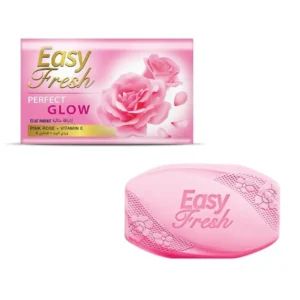 Sale!5.99$
9.99$40% OffAdd to cart This product has multiple variants. The options may be chosen on the product page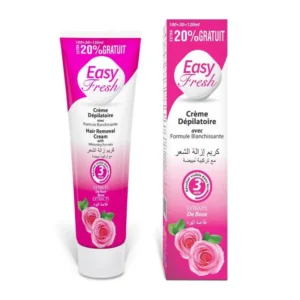 Sale!9.99$
15.99$38% OffAdd to cart This product has multiple variants. The options may be chosen on the product page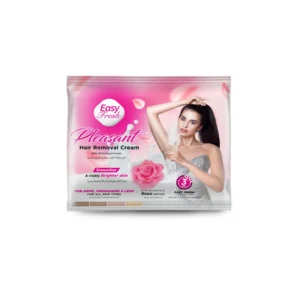 Sale!
Sale!
It is a by-product, and that is the point
Rose water is a hydrosol. When rose petals are steam-distilled to make rose oil, the oil is skimmed off and what remains is the aromatic water the steam condensed into. That water is what gets bottled.
So rose water is mild by construction. The concentrated fraction went into the oil; the water holds a trace of phenylethanol, which is most of the smell, and a small amount of water-soluble polyphenols. There is no version of rose water that is strong, because strong is not what the process produces. Most lists of rose water benefits for skin quietly borrow their evidence from the essential oil, which is the other half of that same distillation.
That mildness is exactly why it suits a recovery moment. Skin that has just been stripped, scraped or heated does not want an active. It wants something cool, clean, faintly scented and completely undemanding, and rose water is one of the few things sold in a beauty aisle that is genuinely all four.
Rose water uses for skin, in order of usefulness
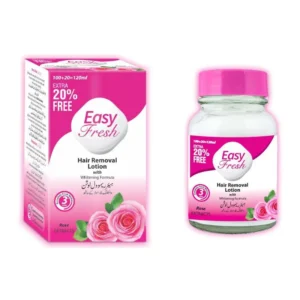
After hair removal, on the leg or the underarm, while the skin still feels warm. This is the strongest case for it, and it is why our own range puts rose water in a depilatory lotion rather than a face mist.
After shaving, for the same reason. It settles the sting without the alcohol most aftershaves rely on.
After an alkaline bar, especially if your cleanser leaves your face feeling tight. A splash of something mild and slightly acidic between the wash and the moisturiser makes that tightness pass faster.
As a mid-afternoon reset in air conditioning, which pulls water out of skin all day. Mist, then moisturise, or you have made the problem slightly worse.
As the wet step before a cream. Applying a moisturiser onto damp skin traps more water than applying it onto dry skin, and rose water is a pleasant way to make skin damp.
Rose water for skin hydration: the honest answer
Rose water does not hydrate skin. It wets it, which is a different thing, and water left on skin evaporates and takes a little of your own moisture with it as it goes.
That is not a reason to avoid it. It is a reason to always follow it within a minute with something that holds water in place, whether that is a lotion, a cream or a serum. Used that way it genuinely helps. Used alone as a hydration step it can leave skin drier than it found it, and the depilatory lotion page explains that mechanism in the context of a product that stays on for three minutes.
Rose water and rose extract are not the same entry
This matters when you are reading a label, and it matters in our own range.
Rose water on an ingredient list means the distillate, and it usually appears as Rose Water or as Rosa Damascena Flower Water. Rose extract means something drawn out of the petals into water or glycerin, which is a different material with a different composition, made a different way.
Our pink bath bar lists Rose Extract fifth of fourteen, not rose water. It is a lovely bar and the rose in it is real, but if you came looking for the distillate, that is not it. Buy it for the lather, the scent and the colour.
Where rose water sits in the Face Fresh range
One product genuinely contains it. The rose variant of our hair removal lotion lists Rose Water sixteenth of twenty-three, sitting between the thickeners and the niacinamide, which tells you plainly that it is there for how the skin feels afterwards rather than for the hair removal itself. That is the right place for it and it is the honest use case on this whole page.
One conflict is worth flagging rather than glossing over. Our keyword map lists the Pleasant Hair Removal Cream as a rose product. Its printed ingredient list contains no rose of any kind, only a fragrance entry, and it is word for word the same list as the other scented creams. Until that is resolved with the manufacturer, treat the rose in that sachet as a scent and nothing more.
What rose water will not do
It will not shrink your pores. Nothing applied to the surface changes the size of a pore, and the tightening sensation people describe is water evaporating.
It will not fade dark spots. There is no tyrosinase inhibitor in a hydrosol. If pigment is the problem, the uneven tone page sorts the ingredients that do act on it.
It will not treat acne. Its antibacterial reputation comes from the essential oil, at concentrations a hydrosol does not reach.
It can still irritate. Rose distillate is a natural fragrance material, and natural fragrance is still fragrance. If you react to scented products, this is one to patch test rather than assume is safe.
Which Face Fresh product to choose
For rose water doing its actual job, the rose hair removal lotion is the only product in the range that contains it, and the after-feel is the reason to pick that scent over the others.
For a rose bar, choose the pink one and enjoy it for what it is. Just do not expect the distillate.
For the recovery moment on your face, our range does not have a rose mist, and the honest advice is that the moisturiser you put on afterwards matters far more than what you sprayed on first.
Frequently asked questions
What is rose water made of?
It is the aromatic water left behind when rose petals are steam-distilled for their oil. That is why it is mild: the concentrated fraction goes into the oil, not into the water.
Does rose water moisturise your face?
No. It wets skin, and water evaporating from skin takes a little moisture with it. Always follow it within a minute with a lotion, cream or serum that holds the water there.
Can rose water close pores?
No. Pore size is not something a liquid changes. The tightening feeling people describe is simply water evaporating off the surface.
Is rose water good for acne?
Not really. The antibacterial reputation belongs to rose essential oil at concentrations a hydrosol never reaches. It can calm the redness around a spot, which is a comfort effect.
When is the best time to use rose water?
Right after something harsh: hair removal, shaving, an alkaline wash, or time in the sun. That window is where it does its best work and where most people never think to use it.
Is rose water the same as rose extract?
No. Rose water is a distillate, rose extract is drawn out of the petals into water or glycerin. They are different materials and a label that says one does not contain the other.
Can rose water cause a reaction?
Occasionally. It is a natural fragrance material, and natural fragrance still counts as fragrance. Patch test it on your inner arm if scented products usually bother you.
Which Face Fresh product contains real rose water?
The rose version of the hair removal lotion, where it is listed sixteenth of twenty-three. It is there for how skin feels after the treatment rather than for the hair removal.