Product categories
- Brands (58)
- Easy Fresh (9)
- Face Fresh (37)
- Yusma (12)
- Hair Care (1)
- HAIR OILS (1)
- Shop by Concern (53)
- Acne & Pimples (22)
- Dark Circles (7)
- Dark Spots & Pigmentation (34)
- Dull Skin & Glow (37)
- Freckles (3)
- Open Pores & Texture (14)
- Sagging & Skin Firmness (8)
- Scars & Stretch Marks (4)
- Uneven Skin Tone (26)
- Wrinkles & Anti-Ageing (20)
- Shop by Skin Type (57)
- Acne-Prone Skin (13)
- Combination Skin (28)
- Dry Skin (19)
- Mature Skin (6)
- Oily Skin (17)
- Sensitive Skin (9)
- Skincare (57)
- Skincare ingredient (54)
- Aloe Vera (19)
- Alpha Arbutin (24)
- Amla (1)
- Azelaic Acid (4)
- Collagen (5)
- Cucumber (2)
- Glutathione (15)
- Glycolic Acid (3)
- Hyaluronic Acid (19)
- Kojic Acid (20)
- Milk & Honey (10)
- Niacinamide (38)
- Retinol (3)
- Rice Water (1)
- Rose Water (4)
- Salicylic Acid (4)
- Shea Butter (6)
- Tea Tree Oil (4)
- Vitamin C (17)
- Vitamin E (25)
- Uncategorized (0)
Vitamin E
People searching for a vitamin e cream for face marks are very often about to do something else entirely: pierce a capsule and dab the oil straight onto a scar overnight. It is the most popular way to use vitamin E on skin. It is also the one use where the evidence points the other way.
That is worth unpacking before anything else, because it explains most of the disappointment people have with this ingredient.
Showing 1–16 of 25 resultsSorted by popularity
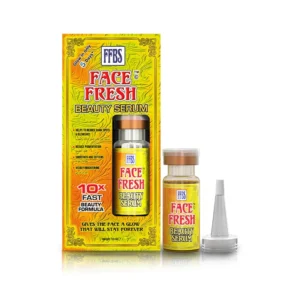 Sale!9.99$
15.99$38% OffAdd to cart This product has multiple variants. The options may be chosen on the product page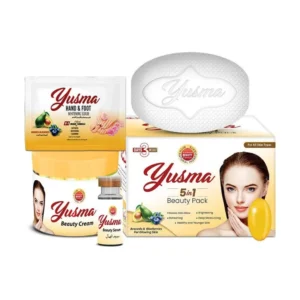 Sale!
Sale!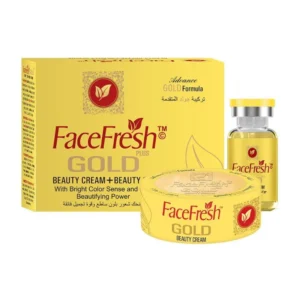 Sale!
Sale!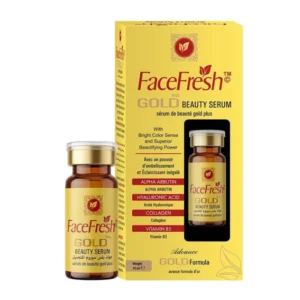 Sale!9.99$
16.99$41% OffAdd to cart This product has multiple variants. The options may be chosen on the product page Sale!7.99$
13.99$43% OffAdd to cart This product has multiple variants. The options may be chosen on the product page Sale!
Sale! Sale!
Sale! Sale!9.99$
15.99$38% OffAdd to cart This product has multiple variants. The options may be chosen on the product page Sale!19.99$
29.99$33% OffAdd to cart This product has multiple variants. The options may be chosen on the product page Sale!
Sale!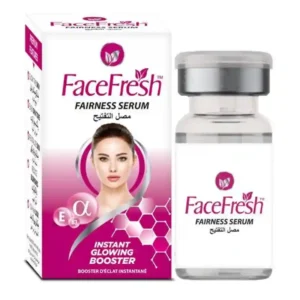 Sale!
Sale!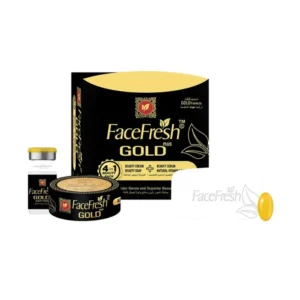 Sale!
Sale!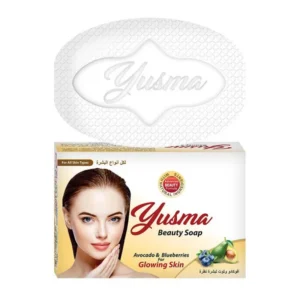 Sale!
Sale!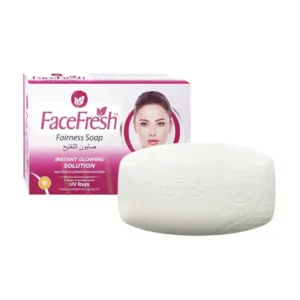 Sale!
Sale! Sale!
Sale!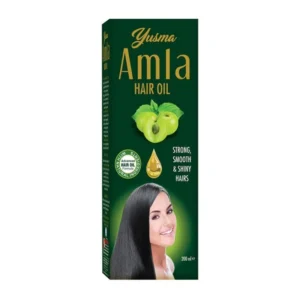 Sale!
Sale!
The capsule on the scar
The best known trial of vitamin E applied to healing surgical scars found that it did not improve how they looked. A meaningful share of the people in it developed contact dermatitis from the vitamin E itself, which made their scars look worse rather than better. That finding is old, it has been repeated, and it has never really reached the people doing it.
There is a second problem, and it is mechanical. A swallowing capsule is built for a stomach. Its shell and its carrier oil were chosen for that job, not for skin. Squeezed onto a healing mark it sits as a thick occlusive layer, traps heat and sweat under it, and in a humid climate that is a reliable way to end up with an itchy, bumpy patch over the exact spot you were trying to help.
If you want a mark to fade, the ingredients with a track record for it are the tone actives, used daily for weeks. The dark spot page sorts them by what actually caused the mark.
What vitamin E genuinely does in a cream
Two things, both real and both modest.
It is an antioxidant, and most of that work happens inside the jar rather than inside you. Vitamin E stops the oils in a formula from going rancid, which is why it turns up in almost every cream, lotion and bar on the market including ours. That protective job is explained on our brightening soap page in the context of a bar, and the same logic applies to a cream.
It is also a light emollient. On skin it smooths, it reduces water loss a little, and it makes a formula feel softer. That is a genuine benefit and it is a small one. A cream sold as a vitamin E cream is a moisturiser with a good antioxidant in it, and it should be bought as a moisturiser.
Vitamin E is not one molecule, incidentally. It is a family, and cosmetics use either the free form, tocopherol, or an ester such as tocopheryl acetate. Which one a formulator picks, and why, is explained on the retinol ampoule page, where both appear on the same list.
Vitamin E oil for hair growth
Vitamin E oil does not grow hair. The searches trace back to small studies on tocotrienols, a different branch of the same family, taken as a supplement rather than rubbed on a scalp.
What an oil on the hair shaft does is reduce breakage. It smooths the cuticle, cuts down the friction of brushing and towel drying, and makes hair less likely to snap. Hair that snaps less looks like hair that grew more, which is where the belief comes from and why it is so persistent.
Face Fresh does not sell a vitamin E hair oil. Our amla oil carries tocopherol acetate, and its own page is honest about what that is there for and what a coating oil can and cannot do for length. Read that before you buy an oil for growth from anyone.
Where vitamin E sits in the Face Fresh range
It appears across the range, and the position tells you whether it was added for you or for the formula.
The three millilitre fairness bottle lists Vitamin E sixth of nine, which is the highest position it holds in any Face Fresh product. In a short, water-light formula that is a meaningful amount.
The Yusma bar lists it third, and the Fairness Soap lists it fourth. In a bar, a high position is less exciting than it looks, because most of what is high on a soap list is there to hold the bar together and to keep its oils fresh.
The Gold Plus 4 in 1 pack is the odd one out: its cream carries tocopherol acetate, its soap carries vitamin E, and the box also contains a separate natural vitamin E capsule. That pack's own page explains what to do with the capsule, and this page adds the one instruction it does not: not on a fresh scar, and not on a healing spot.
One thing we have to be honest about
The Easy Fresh Pink Rose and Vitamin E Soap has vitamin E in its name and not in its printed ingredient list. We have checked the catalogue entry and the list runs from sodium palmate to tetrasodium EDTA with no tocopherol of any kind on it.
Either the list is incomplete or the name is optimistic, and until the manufacturer confirms which, the honest advice is to buy that bar for the rose, the lather and the colour, and to get your vitamin E from something that prints it.
The honest limits
It does not remove scars. It does not lighten skin. It is not a treatment for anything, and any product sold to you on vitamin E alone is being sold on an antioxidant that mostly protects itself.
It can cause a reaction. Tocopherol is an uncommon but well documented contact allergen, and it turns up in patch test series precisely because people do not suspect it. If you react to a product you were told was gentle, this is one of the entries worth looking at.
Nothing in the range states how much is in it. Position on a list is the only guide, which is why the positions are printed above.
Which Face Fresh product to choose
For vitamin E in a leave-on where it sits high, the Fairness Serum is the clearest choice in the range, and the arbutin and niacinamide above it are doing the visible work.
For a cream, choose on the tone actives and take the vitamin E as a bonus. That is the honest way round, and it is how the formulators think about it too.
For a capsule, use it on dry patches, cuticles, lips and elbows, where an occlusive oil is exactly right, and keep it away from anything that is still healing.
Frequently asked questions
Does vitamin E get rid of scars?
No. The best known trial found it did not improve the appearance of surgical scars, and a share of participants reacted to it. Tone actives applied daily do more for a mark than vitamin E does.
Can I put a vitamin E capsule on my face?
On dry patches and lips, yes. On a fresh scar, a healing spot or across a whole face in a humid climate, no. The oil is occlusive and traps heat and sweat where you least want them.
Is vitamin E good for dark spots?
Barely. It has a small antioxidant role in preventing new damage, but it is not a pigment ingredient. Arbutin, kojic acid, niacinamide and vitamin C are the ones that act on melanin.
Does vitamin E oil make hair grow?
No. It reduces breakage by smoothing the cuticle, which makes hair look longer over time. The growth studies used tocotrienol supplements taken by mouth, not oil applied to a scalp.
Why is vitamin E in almost every cream?
Because it protects the oils in the formula from going rancid. That job alone justifies its inclusion, whatever the front of the pack says about it.
Which Face Fresh product has the most vitamin E?
The Fairness Serum, where it sits sixth on a list of nine. The Yusma Beauty Soap lists it third, but a high position in a bar means less than it does in a leave-on.
Can vitamin E irritate skin?
Yes, occasionally. Tocopherol is a recognised contact allergen. It is uncommon, but it is one of the entries worth checking when a supposedly gentle product causes a reaction.
Is the Pink Rose and Vitamin E Soap actually a vitamin E product?
Its printed ingredient list does not include vitamin E, only the name does. Until that is confirmed with the manufacturer, buy it for the rose and the lather instead.