Product categories
- Brands (58)
- Easy Fresh (9)
- Face Fresh (37)
- Yusma (12)
- Hair Care (1)
- HAIR OILS (1)
- Shop by Concern (53)
- Acne & Pimples (22)
- Dark Circles (7)
- Dark Spots & Pigmentation (34)
- Dull Skin & Glow (37)
- Freckles (3)
- Open Pores & Texture (14)
- Sagging & Skin Firmness (8)
- Scars & Stretch Marks (4)
- Uneven Skin Tone (26)
- Wrinkles & Anti-Ageing (20)
- Shop by Skin Type (57)
- Acne-Prone Skin (13)
- Combination Skin (28)
- Dry Skin (19)
- Mature Skin (6)
- Oily Skin (17)
- Sensitive Skin (9)
- Skincare (57)
- Skincare ingredient (54)
- Aloe Vera (19)
- Alpha Arbutin (24)
- Amla (1)
- Azelaic Acid (4)
- Collagen (5)
- Cucumber (2)
- Glutathione (15)
- Glycolic Acid (3)
- Hyaluronic Acid (19)
- Kojic Acid (20)
- Milk & Honey (10)
- Niacinamide (38)
- Retinol (3)
- Rice Water (1)
- Rose Water (4)
- Salicylic Acid (4)
- Shea Butter (6)
- Tea Tree Oil (4)
- Vitamin C (17)
- Vitamin E (25)
- Uncategorized (0)
Niacinamide
Before you buy a niacinamide serum, check what you already own. Niacinamide is in the face wash, the soap, the cream, the body lotion and the ampoule — in this range and in most others — which means the average person is already applying it three or four times a day.
That changes the useful question. It is not whether to add niacinamide. It is where in the routine it is actually doing something, and where it is going down the drain.
Showing 1–16 of 38 resultsSorted by popularity
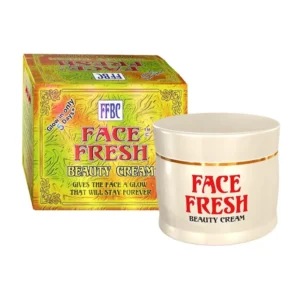 Sale!9.99$
15.99$38% OffAdd to cart This product has multiple variants. The options may be chosen on the product page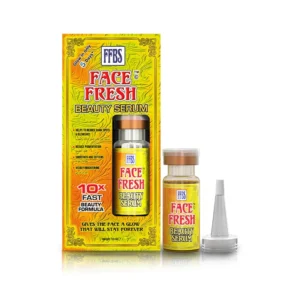 Sale!9.99$
15.99$38% OffAdd to cart This product has multiple variants. The options may be chosen on the product page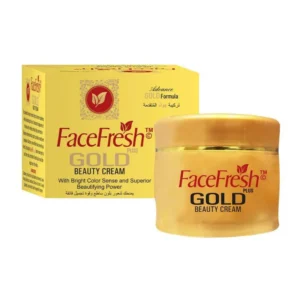 Sale!9.99$
16.99$41% OffAdd to cart This product has multiple variants. The options may be chosen on the product page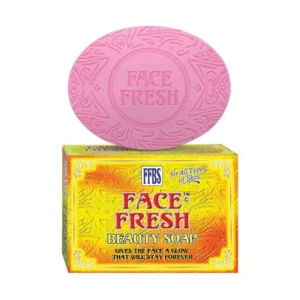 Sale!
Sale! Sale!
Sale! Sale!
Sale! Sale!
Sale! Sale!9.99$
16.99$41% OffAdd to cart This product has multiple variants. The options may be chosen on the product page Sale!9.99$
16.99$41% OffAdd to cart This product has multiple variants. The options may be chosen on the product page Sale!
Sale!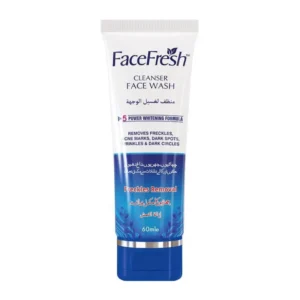 Sale!
Sale!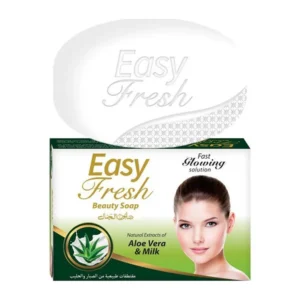 Sale!
Sale!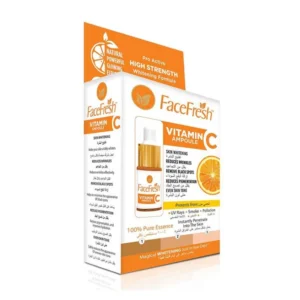 Sale!
Sale!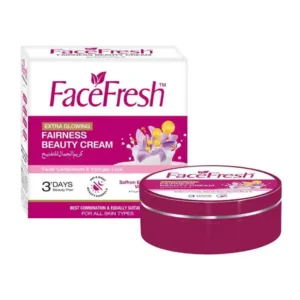 Sale!
Sale!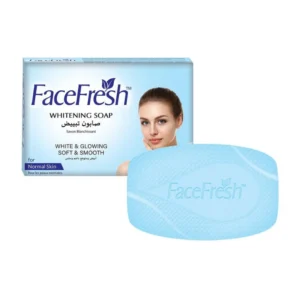 Sale!5.99$
9.99$40% OffAdd to cart This product has multiple variants. The options may be chosen on the product page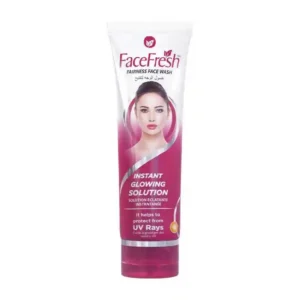 Sale!
Sale!
What niacinamide does, in plain terms
Niacinamide is vitamin B3. In skin it supports the production of ceramides, the lipids that hold the outer barrier together, which is why it turns up in products aimed at almost every concern — a stronger barrier means less water loss, less redness and better tolerance of everything else you apply.
It also interferes with the transfer of pigment from the cells that make melanin to the skin cells around them. That is a different mechanism from kojic acid or arbutin, which block production upstream. Niacinamide lets the pigment get made and then slows its delivery.
Practically, that means niacinamide is a genuine multi-tasker with modest effects on several things rather than a strong effect on one. It is the most reliable ingredient in most routines and almost never the most dramatic.
The rinse-off problem
A niacinamide face wash is on your skin for under a minute. Niacinamide is water-soluble, and most of what you apply leaves with the water. The Face Fresh Fairness Face Wash carries it, as does the Gold Plus wash, and both are good cleansers — but the niacinamide in them is not what is doing the work.
That is worth knowing because it changes what you should expect. A wash with niacinamide will not deliver the barrier support or the tone effect that a leave-on does. What it does is clean without stripping, which is a real benefit and a smaller one.
The rule holds across formats. Seconds of contact deliver very little. Hours of contact deliver the effect the research describes. If you can only afford one niacinamide product, make it the one that stays on.
Niacinamide for acne, honestly
Niacinamide for acne is one of the most searched combinations in skincare, and the honest answer has two halves. It genuinely helps with oil output and with the redness around a spot, both of which are things people notice quickly.
It does not clear an active breakout. It is not an antibacterial, it does not unblock a pore, and it will not do what benzoyl peroxide or a prescription does. The Face Fresh Anti-Acne Ampoule leads with niacinamide for exactly the first set of reasons and its own page says the same thing about the second.
Where it earns its place is afterwards. Once a spot has healed and left a brown mark, niacinamide's effect on pigment transfer is directly relevant, and that is the phase most acne routines skip.
Niacinamide and retinol together
Niacinamide and retinol is one pairing where the internet has arrived at the right answer for once. They work well together, and niacinamide is genuinely useful beside a retinoid because it supports the barrier that retinol disturbs.
The Face Fresh Retinol Ampoule puts niacinamide third on its list, above the retinol itself, which is a deliberate formulation choice rather than a coincidence.
What still confuses people is sequencing — whether one goes on before the other, and whether they can share a night. That is a different question with a different answer, and it is covered properly on our retinol layering guide rather than repeated here.
When to apply niacinamide serum, and how much
Knowing when to apply a niacinamide serum matters less than people expect. It is stable, it is not light-sensitive, and it does not need to be kept away from your other actives. Morning or night both work.
What does matter is the amount. Two or three drops for the whole face is plenty, and more than that is where the occasional flushing complaint comes from — not from the ingredient itself but from applying far more of it than the skin needs.
One realistic warning: because niacinamide is in so many products at once, adding a dedicated serum on top of a niacinamide wash, a niacinamide cream and a niacinamide lotion does not stack the benefit. There is a ceiling, most formulas are at or near it, and the fifth source is money spent on nothing.
Which Face Fresh product suits you
Five products where niacinamide is doing real work rather than passing through. Pick by what you want it to fix.
- Face Fresh Vitamin C Ampoule — for dullness and tired-looking skin. Niacinamide alongside a stable vitamin C derivative. The pairing that used to be wrongly described as incompatible, and the one most people should start with.
- Face Fresh Anti-Acne Ampoule — for oil and post-spot redness. Niacinamide sits second on the list here, which is unusually high. Aimed at oil control and calming, not at treating an active breakout.
- Face Fresh Retinol Ampoule — if you are starting retinol. Niacinamide is placed above the retinol deliberately, to steady the barrier while your skin adjusts. Useful if you have reacted to retinoids before.
- Face Fresh Fairness Serum — for tone with a light finish. Niacinamide with alpha arbutin and vitamin E. Lighter than a cream, which suits humid months.
- Face Fresh Gold Plus Beauty Cream — for tone plus texture. Niacinamide alongside three acids. The most active formula in the range, and the one to approach slowly rather than daily from day one.
The honest limitation: niacinamide is a support act. It makes a routine more comfortable, more consistent and slightly more even, and it does none of those things dramatically. If your main complaint is a specific dark mark or a specific line, the ingredient that fixes it is something else, and niacinamide is what makes using that something else bearable.
Frequently asked questions
Do I need a niacinamide serum if my face wash has it?
Probably yes, if you want the effects the research describes. A wash rinses off in under a minute; niacinamide needs hours on the skin to do the barrier and tone work.
Is a niacinamide soap worth using?
As a cleanser, yes. As your source of niacinamide, no — a bar rinses off in seconds. Treat it as a gentle wash and keep a leave-on for the actual work.
How much niacinamide is too much?
In a formula, the benefit plateaus and higher percentages mainly increase the chance of flushing. In a routine, more than one or two leave-on sources is simply redundant.
Does niacinamide help with large pores?
It can make them look smaller by reducing oil output and supporting the surrounding skin, so the opening casts less shadow. It does not change the actual size of a pore.
Why does my skin flush after applying it?
Usually too much product rather than an intolerance. Drop to two drops for the whole face and give it a fortnight before deciding it does not suit you.
Can I use niacinamide on my body?
Yes, and the body lotions in this range carry it. Shoulders, shins and the backs of the hands respond, though more slowly than facial skin does.
Is niacinamide safe in pregnancy?
It is generally considered one of the safer actives during pregnancy, unlike retinoids. Check with your doctor about your full routine rather than one ingredient in isolation.
Will it sting on sensitive skin?
Well-formulated niacinamide rarely stings. If a product does, look at what else is in it — acids, fragrance and high alcohol content are the usual culprits, not the vitamin.
If you are adding one leave-on to a routine that already has niacinamide in the wash, make it an ampoule — five millilitres, thin layer, every night. Compare the ampoule range side by side and pick by the second ingredient rather than the first, since the niacinamide is a constant.