Product categories
- Brands (58)
- Easy Fresh (9)
- Face Fresh (37)
- Yusma (12)
- Hair Care (1)
- HAIR OILS (1)
- Shop by Concern (53)
- Acne & Pimples (22)
- Dark Circles (7)
- Dark Spots & Pigmentation (34)
- Dull Skin & Glow (37)
- Freckles (3)
- Open Pores & Texture (14)
- Sagging & Skin Firmness (8)
- Scars & Stretch Marks (4)
- Uneven Skin Tone (26)
- Wrinkles & Anti-Ageing (20)
- Shop by Skin Type (57)
- Acne-Prone Skin (13)
- Combination Skin (28)
- Dry Skin (19)
- Mature Skin (6)
- Oily Skin (17)
- Sensitive Skin (9)
- Skincare (57)
- Skincare ingredient (54)
- Aloe Vera (19)
- Alpha Arbutin (24)
- Amla (1)
- Azelaic Acid (4)
- Collagen (5)
- Cucumber (2)
- Glutathione (15)
- Glycolic Acid (3)
- Hyaluronic Acid (19)
- Kojic Acid (20)
- Milk & Honey (10)
- Niacinamide (38)
- Retinol (3)
- Rice Water (1)
- Rose Water (4)
- Salicylic Acid (4)
- Shea Butter (6)
- Tea Tree Oil (4)
- Vitamin C (17)
- Vitamin E (25)
- Uncategorized (0)
Milk & Honey
Milk and honey benefits get listed together so consistently that it is easy to miss how little the two have in common. They are not a pair. They are two unrelated materials that smell good together and share a long history, and they do completely different things to skin.
Which one you actually want depends on what you are trying to fix, and the answer changes what you should be reading on an ingredient list.
Showing all 10 resultsSorted by popularity
 Sale!
Sale!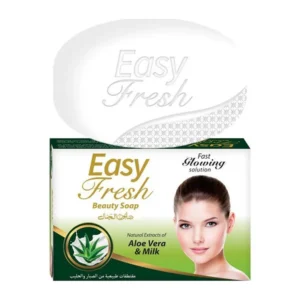 Sale!
Sale!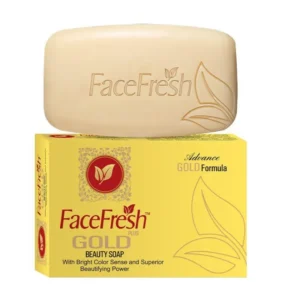 Sale!
Sale!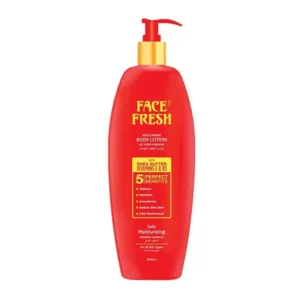 Sale!19.99$
29.99$33% OffAdd to cart This product has multiple variants. The options may be chosen on the product page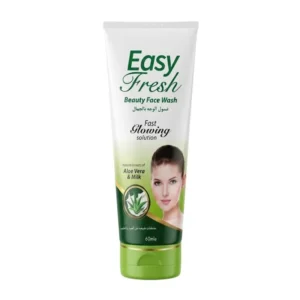 Sale!
Sale!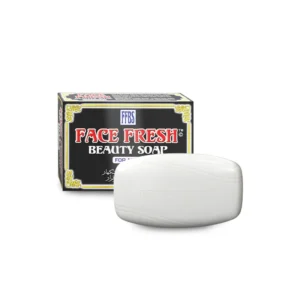 Sale!
Sale!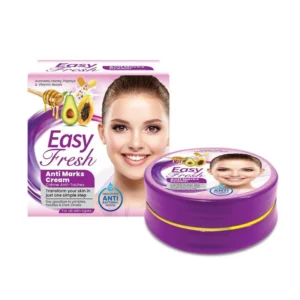 Sale!
Sale!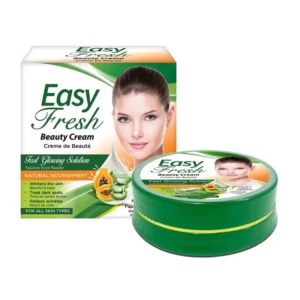 Sale!
Sale!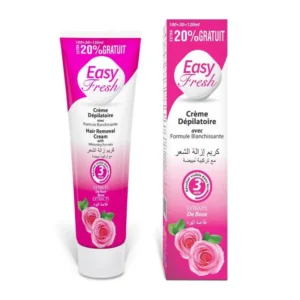 Sale!9.99$
15.99$38% OffAdd to cart This product has multiple variants. The options may be chosen on the product page Sale!
Sale!
Honey: a humectant with a caveat
Honey is a supersaturated sugar solution, and three things follow from that.
It is a strong humectant. Sugars hold water, and honey holds a lot of it, which is why a honey mask leaves skin feeling supple while it is on.
It is inhospitable to bacteria, because so little free water is available in it. This is why honey does not spoil and why it has been used on wounds for centuries.
Raw honey also generates small amounts of hydrogen peroxide as glucose oxidase acts on its sugars, which adds a mild antibacterial effect on top.
Here is the caveat, and it is the whole story of honey in cosmetics. Two of those three mechanisms depend on concentration. Medical honey dressings are honey, not a cream containing honey. Diluted to a few per cent into a water-based, preserved formula, the humectancy survives and the antibacterial effect largely does not. A honey cream is a nice moisturiser. It is not a wound dressing.
Milk: the reputation belongs to something else
Two different things wear the word milk on an ingredient list, and they are not related.
Lactic acid is an alpha hydroxy acid. It loosens the bonds between dead surface cells so they shed evenly, and it is also a humectant in its own right, which makes it unusually well tolerated for an acid. This is the ingredient behind milk's ancient reputation for smooth skin, and it is printed separately, as Lactic Acid.
Milk extract and milk protein are something else entirely: a protein and lipid fraction. On skin they sit as a light conditioning film that softens the feel of a formula. They do nothing acidic, they do not exfoliate, and they will not deliver what people expect from a milk bath.
So if smoother, more even surface skin is the goal, the entry to look for is lactic acid. Our original beauty cream prints it high on its list, and the Yusma jar prints it too. Neither is sold as a milk product, which is precisely the point.
The dairy question, in one place
This deserves saying properly rather than as a footnote, because dairy turns up across our range under three different names and people with a dairy allergy do not always know to look for them.
Milk Protein, Milk Extract and Sodium Caseinate are all dairy-derived. Casein is the protein most often involved in reactions. Contact reactions to dairy proteins in cosmetics are uncommon, but they are documented, and they matter more in a shared format than a personal one: a bar of soap in a family bathroom is used by everyone in the house, and a face cream is not.
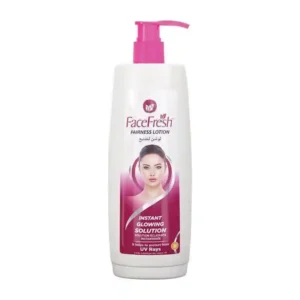
In the Face Fresh range, dairy appears in the Fairness Lotion, the Body Lotion, the Gold Plus Beauty Soap, the Men Beauty Soap, the Easy Fresh cream and its matching bar, and as sodium caseinate in the hair removal lotions. If a dairy allergy is a live issue in your household, that is the list to check against.
Where milk and honey actually appear in the range
Honey is rarer than the branding suggests. It appears in exactly two Face Fresh ingredient lists.
The milk and honey hair removal lotion lists Milk and Honey Extract sixteenth of twenty-three, in the same slot the other scents give their botanical, alongside sodium caseinate and vitamin E. That is a comfort position, and it is honest.
The Easy Fresh Anti Marks Cream lists Honey Extract towards the end of a long formula built around retinol, peptides and fruit extracts. Honey is not why anyone buys that jar.
The Easy Fresh Hair Removal Cream in the milk and honey scent contains neither. Its printed list is word for word identical to the cucumber, rose and lemon versions and ends in a single fragrance entry. The scent is the difference; the formula is not.
The Easy Fresh Beauty Cream and Beauty Soap contain milk extract and no honey, so they are half of the pair rather than both.
What milk and honey will not do
They will not lighten skin. Neither has any effect on melanin production, and any brightening is the surface renewal that lactic acid does, if lactic acid is present.
They will not clear acne. The antibacterial argument for honey does not survive dilution into a cream, and the acne pages in our range are built on ingredients that do work at cosmetic levels.
They will not exfoliate unless the list says lactic acid. A milk protein is a protein and it stays on the surface.
A honey mask made at home is sticky, pleasant and short-lived. It is not doing anything a decent humectant serum does not do more conveniently.
Which half do you actually want?
If you want smoother, more even skin, you want lactic acid, and you should be reading cream labels rather than looking for the word milk.
If you want comfort, softness and a good smell, the milk and honey pairing is doing exactly what it is good at, and there is nothing wrong with buying it for that.
If you want the antibacterial honey effect, buy medical grade honey from a pharmacy for that specific purpose. A cosmetic containing honey is not that product, and no amount of packaging changes it.
If dairy is an allergy in your house, the sensitive skin page explains how to work out what you are reacting to, and the dairy list above is the place to start.
Frequently asked questions
Are milk and honey actually good for skin?
Both are pleasant and mild. Honey is a strong humectant, and milk's reputation belongs to lactic acid rather than to milk protein. Neither is a treatment ingredient at cosmetic levels.
Does honey in a cream kill bacteria?
Not meaningfully. Honey's antibacterial effect depends on being highly concentrated. Diluted into a water-based cream, the humectant effect survives and the antibacterial one largely does not.
Is milk protein the same as lactic acid?
No. Lactic acid is an exfoliating acid printed under its own name. Milk protein and milk extract are protein and lipid fractions that sit on the surface as a softening film.
Can a milk and honey product cause a dairy allergy reaction?
It can. Milk protein, milk extract and sodium caseinate are all dairy-derived. Reactions are uncommon but documented, and a shared bar of soap matters more than a personal cream.
Which Face Fresh products contain honey?
Two. The milk and honey hair removal lotion and the Easy Fresh Anti Marks Cream. The hair removal cream in the same scent contains neither milk nor honey.
Is a homemade milk and honey mask worth doing?
It is pleasant and harmless on intact skin. It is also sticky and short-lived, and a decent humectant serum does the same job with less mess.
Do milk and honey fade dark spots?
No. Neither acts on melanin. If lactic acid is on the list, surface renewal can make marks look slightly softer over weeks, but that is the acid working.
Why are milk and honey always sold together?
Because they smell good together and share a long shared history in bathing traditions. It is a scent and heritage pairing rather than a formulation one.