Product categories
- Brands (58)
- Easy Fresh (9)
- Face Fresh (37)
- Yusma (12)
- Hair Care (1)
- HAIR OILS (1)
- Shop by Concern (53)
- Acne & Pimples (22)
- Dark Circles (7)
- Dark Spots & Pigmentation (34)
- Dull Skin & Glow (37)
- Freckles (3)
- Open Pores & Texture (14)
- Sagging & Skin Firmness (8)
- Scars & Stretch Marks (4)
- Uneven Skin Tone (26)
- Wrinkles & Anti-Ageing (20)
- Shop by Skin Type (57)
- Acne-Prone Skin (13)
- Combination Skin (28)
- Dry Skin (19)
- Mature Skin (6)
- Oily Skin (17)
- Sensitive Skin (9)
- Skincare (57)
- Skincare ingredient (54)
- Aloe Vera (19)
- Alpha Arbutin (24)
- Amla (1)
- Azelaic Acid (4)
- Collagen (5)
- Cucumber (2)
- Glutathione (15)
- Glycolic Acid (3)
- Hyaluronic Acid (19)
- Kojic Acid (20)
- Milk & Honey (10)
- Niacinamide (38)
- Retinol (3)
- Rice Water (1)
- Rose Water (4)
- Salicylic Acid (4)
- Shea Butter (6)
- Tea Tree Oil (4)
- Vitamin C (17)
- Vitamin E (25)
- Uncategorized (0)
Vitamin C
Most of what is sold as vitamin C is not vitamin C yet. It is a derivative — a modified version that is more stable in a bottle and has to be converted by your skin before it does anything.
That single fact explains almost every confusing thing about the category: why some serums turn orange and others never do, why one stings and another does not, and why the benefits of vitamin C serum described in research often do not match what you experience.
Showing 1–16 of 17 resultsSorted by popularity
 Sale!9.99$
15.99$38% OffAdd to cart This product has multiple variants. The options may be chosen on the product page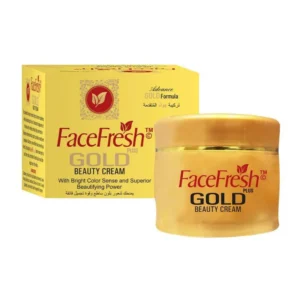 Sale!9.99$
16.99$41% OffAdd to cart This product has multiple variants. The options may be chosen on the product page Sale!
Sale!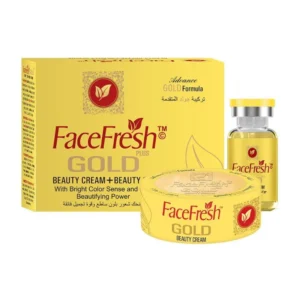 Sale!
Sale! Sale!9.99$
16.99$41% OffAdd to cart This product has multiple variants. The options may be chosen on the product page Sale!
Sale!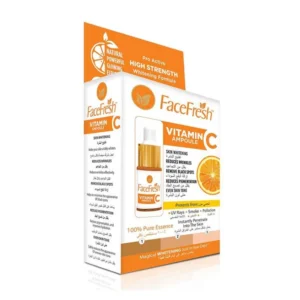 Sale!
Sale!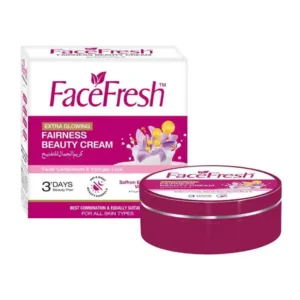 Sale!
Sale!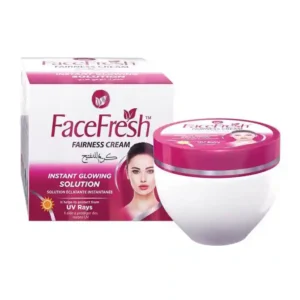 Sale!9.99$
15.99$38% OffAdd to cart This product has multiple variants. The options may be chosen on the product page Sale!
Sale!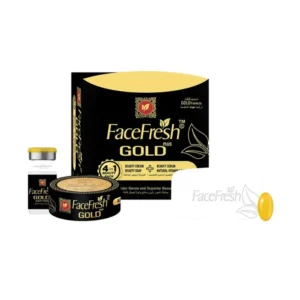 Sale!
Sale! Sale!
Sale!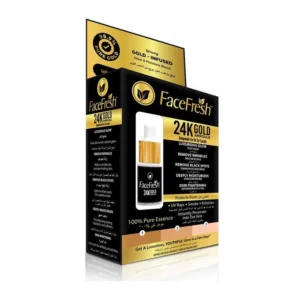 Sale!
Sale!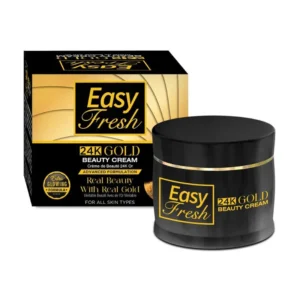 Sale!9.99$
15.99$38% OffAdd to cart This product has multiple variants. The options may be chosen on the product page Sale!
Sale! Sale!
Sale!
Pure vitamin C, and why so few products use it
L-ascorbic acid is vitamin C in its active form. It is the version almost all the research was done on, it works at concentrations between ten and twenty percent, and it needs a low pH to get through skin.
It is also chemically fragile. Exposed to water, air, light and warmth it oxidises, turning first yellow and then brown, and the oxidised form does nothing useful. That is what is happening when a serum darkens in the bottle.
The low pH is the second problem. It is what makes L-ascorbic serums sting on application, particularly around the nose and eyes, and it rules the format out for a lot of people entirely. Between the instability and the sting, most brands selling into warm climates use something else — and in a Gulf bathroom, where a bottle sits at thirty degrees for months, that is a sensible decision rather than a cost-cutting one.
The two derivatives Face Fresh uses
3-O-ethyl ascorbic acid is L-ascorbic acid with an ethyl group attached to one position, which stops it oxidising. It is water-soluble, stable at ordinary skin pH, and converts back to ascorbic acid once it is in the skin. Both the Face Fresh Vitamin C Ampoule and the Face Fresh 24K Gold Ampoule are built on it.
Ascorbyl glucoside is ascorbic acid bonded to glucose, and it is the quieter of the two. Skin enzymes cleave the glucose off slowly, which makes it the gentlest option and also the slowest. It turns up across most of the creams in the range rather than in the ampoules.
Neither is stronger than L-ascorbic acid. Both are more stable, more comfortable and slower. That is the trade, and it is a reasonable one — a derivative you use for six months beats an unstable serum you abandon after three weeks because it went brown.
Benefits of vitamin C serum for face, in order of confidence
Antioxidant defence is the best-supported effect. Vitamin C neutralises free radicals generated by ultraviolet light and pollution, which is why it is usually recommended in the morning, under sunscreen rather than instead of it.
Pigment is next. Vitamin C interferes with tyrosinase, the same enzyme kojic acid and arbutin act on, which makes it a genuine tone ingredient — modest on its own and useful alongside others.
Collagen is third, and the most misunderstood. Vitamin C is a required cofactor for the enzymes that build collagen, so having enough of it in skin genuinely matters for collagen production. That is a completely different thing from a vitamin c and collagen serum, where the collagen listed on the label is a large protein sitting on the surface. Of the two, the vitamin C is the ingredient doing the collagen work.
The vitamin C face wash question
A vitamin C face wash is a popular search and a weak format, for the same reason it is a weak format for every antioxidant. Contact time is under a minute, vitamin C needs to be in the skin to do anything, and rinsing removes most of what you applied.
It is worth being direct: no Face Fresh face wash contains vitamin C. The Fairness and Gold Plus washes carry niacinamide, the Cleanser wash carries kojic acid and salicylic acid, and the Men's wash carries niacinamide and vitamin E. If you came here looking for one, we do not make it, and buying one elsewhere would not be a good use of the money either.
The step where vitamin C earns its place is the leave-on immediately after cleansing. Wash with whatever suits your skin type, then apply the ampoule to a clean, dry face.
Which Face Fresh product suits you
Two ampoules carry the concentrated derivative, and the creams carry the gentle one. Choose by how quickly you want to see something.
- Face Fresh Vitamin C Ampoule — the straightforward choice. 3-O-ethyl ascorbic acid with niacinamide and panthenol. Morning application, thin layer, sunscreen over the top. This is the one to buy if you want vitamin C specifically.
- Face Fresh 24K Gold Ampoule — the same active, a different finish. Built on the same derivative with gold dust added for immediate luminosity. Worth knowing that the two ampoules overlap heavily — buy one, not both.
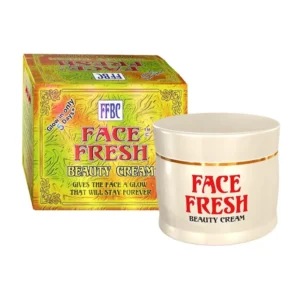
- Face Fresh Beauty Cream — for gradual tone work. Ascorbyl glucoside alongside six other tone actives. Slower and gentler, and the right choice if concentrated serums have irritated you before.
- Face Fresh Fairness Cream — vitamin C in a fuller routine. Ascorbyl glucoside with kojic acid, arbutin and niacinamide. The cream to choose when unevenness is general rather than in specific spots.
The limitation to be clear about: no vitamin C product replaces sun protection, and no Face Fresh product carries a tested SPF. Vitamin C reduces some of the damage ultraviolet light causes after the fact; sunscreen stops a good deal of it arriving. Used together they make sense. Used instead of sunscreen, vitamin C is being asked to do a job it cannot do.
Frequently asked questions
Why does my Face Fresh vitamin C not turn orange?
Because it is 3-O-ethyl ascorbic acid rather than L-ascorbic acid. The added ethyl group blocks the oxidation reaction that browns a traditional vitamin C serum.
Is a derivative as good as pure vitamin C?
Not as strong, but far more stable and far gentler. A derivative used consistently for months usually outperforms an unstable serum abandoned after a few weeks.
Should I use vitamin C in the morning or at night?
Morning suits it best, since its main strength is antioxidant defence against daytime exposure. Night works too if that fits your routine better.
Does vitamin C fade dark spots?
It helps, modestly. It slows the same pigment enzyme kojic acid and arbutin act on, which is why it usually appears alongside them rather than alone.
Can I use vitamin C with niacinamide?
Yes. The incompatibility story came from an old study under laboratory heat and does not describe what happens on skin. Both ampoules here contain the two together.
Is the 24K Gold Ampoule different from the Vitamin C Ampoule?
The active base is very similar; the gold dust adds an immediate light-reflecting finish. If you are choosing for the vitamin C, either works and there is no reason to own both.
Do I still need sunscreen if I use vitamin C?
Yes, always. Vitamin C mops up some of the damage ultraviolet light causes after it happens. It filters nothing, so it belongs underneath a sunscreen rather than instead of one.
Can sensitive skin use vitamin C?
Usually yes, if you choose a derivative. The stinging associated with vitamin C comes from the low pH that pure L-ascorbic acid needs, and derivatives work at normal skin pH.
If you want vitamin C doing real work, put a leave-on derivative on clean skin in the morning and cover it with sunscreen. Compare the two ampoule options and pick one — they overlap far more than the packaging suggests.