Product categories
- Brands (58)
- Easy Fresh (9)
- Face Fresh (37)
- Yusma (12)
- Hair Care (1)
- HAIR OILS (1)
- Shop by Concern (53)
- Acne & Pimples (22)
- Dark Circles (7)
- Dark Spots & Pigmentation (34)
- Dull Skin & Glow (37)
- Freckles (3)
- Open Pores & Texture (14)
- Sagging & Skin Firmness (8)
- Scars & Stretch Marks (4)
- Uneven Skin Tone (26)
- Wrinkles & Anti-Ageing (20)
- Shop by Skin Type (57)
- Acne-Prone Skin (13)
- Combination Skin (28)
- Dry Skin (19)
- Mature Skin (6)
- Oily Skin (17)
- Sensitive Skin (9)
- Skincare (57)
- Skincare ingredient (54)
- Aloe Vera (19)
- Alpha Arbutin (24)
- Amla (1)
- Azelaic Acid (4)
- Collagen (5)
- Cucumber (2)
- Glutathione (15)
- Glycolic Acid (3)
- Hyaluronic Acid (19)
- Kojic Acid (20)
- Milk & Honey (10)
- Niacinamide (38)
- Retinol (3)
- Rice Water (1)
- Rose Water (4)
- Salicylic Acid (4)
- Shea Butter (6)
- Tea Tree Oil (4)
- Vitamin C (17)
- Vitamin E (25)
- Uncategorized (0)
Tea Tree Oil
Buy a tea tree soap and you are buying a volatile plant oil in the least protective packaging there is. That is worth knowing before you shop, because tea tree oil is one of the very few skincare ingredients that becomes more likely to irritate your skin as it gets older, not less. Most listings argue about how much oil is in the bar. Age, heat and light matter more, and a bathroom in this part of the world supplies all three.
Showing all 4 resultsSorted by popularity
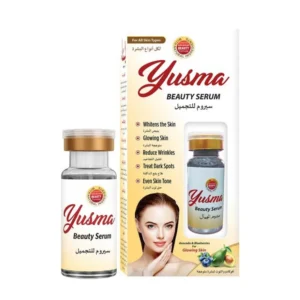 Sale!
Sale!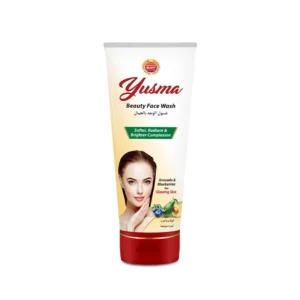 Sale!
Sale!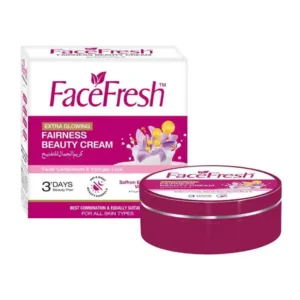 Sale!
Sale!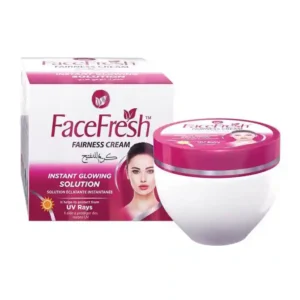 Sale!9.99$
15.99$38% OffAdd to cart This product has multiple variants. The options may be chosen on the product page
What tea tree oil actually does
Tea tree oil is steam-distilled from the leaves of Melaleuca alternifolia, an Australian shrub. Its main active is terpinen-4-ol, and it is genuinely antimicrobial. It works against several of the bacteria and yeasts that live on skin, including the ones involved in spots and in flaky scalps.
It also calms inflammation a little. That is why a tea tree product often takes the angry red edge off a spot faster than it shrinks the spot itself, and why people describe it as soothing rather than powerful.
The clinical work behind it used a leave-on gel, applied twice a day, for several weeks. It helped. It also worked more slowly than benzoyl peroxide and irritated fewer people. Slower and gentler is the honest summary of tea tree oil, and it is the only summary worth carrying into a purchase.
Why age beats strength
A freshly distilled tea tree oil and a two-year-old one are not the same material. Exposed to air, light and warmth, the terpenes in it convert into other compounds, and it is those oxidation products, not the fresh oil, that dermatology clinics use when they patch test someone for tea tree allergy. Old oil is the allergen. Fresh oil largely is not.
You cannot see this happen. There is no colour change to watch, the way a kojic acid bar visibly browns as it ages. The only clue is the smell. Fresh tea tree is sharp, green and slightly medicinal. Oxidised tea tree goes thin and turns towards paint thinner. If it smells like solvent, believe your nose.
Two things follow from that. Buy small and finish it rather than buying big and storing it. And keep it out of direct sun and out of a parked car, which here is a practical instruction rather than a formality.
Tea tree oil soap: what the format costs
A bar of soap is the format that protects a volatile oil least. The bar sits unwrapped in a warm, wet, lit bathroom between uses, and every one of those conditions speeds up the change described above. It also spends less time against your skin than anything else in your routine.
That is not an argument against ever buying one. A soap with tea tree earns its place on the back, chest and shoulders, where the skin is tougher, the area is large, and a wash is the only realistic way to cover it. It is a poor way to treat one spot on your chin.
Face Fresh does not make a tea tree bar. No soap in the range lists tea tree oil, and we would rather say so than print the words on a wrapper. The oil sits where it keeps better and stays longer, which is inside sealed, opaque creams and one serum.
Where tea tree oil sits in the Face Fresh range
Three products list it, and the position on each list tells you how much to expect from it.
In our brightening jar with tea tree eighth on the list, the oil sits above the base oils and the waxes. That is the highest position it holds anywhere in the range. If you want a tea tree oil cream from us, that is the one.
In the day-and-night jar with saffron and milk protein, tea tree sits twenty-third of twenty-six, just above the preservatives. It is present and it is a trace. That jar is bought for its tone actives, and this is not one of them.
In the Yusma bottle that pairs it with witch hazel, tea tree is doing something more specific: it identifies that formula as built around spots and the marks they leave rather than around sun pigment. That argument is made in full on its own page and there is no reason to rebuild it here.
The honest limits
It is not an acne treatment. Tea tree oil helps mild, occasional spots and the redness around them. Persistent or cystic acne needs something built for the job, and no amount of tea tree closes that gap.
It is one of the more common essential oil allergies. If you have reacted to an essential oil before, patch test on your inner forearm for three days before anything goes near your face.
Never apply it neat. Undiluted essential oil on skin is the most common way people give themselves a chemical burn with a natural product.
No Face Fresh product states how much tea tree oil is in it, and almost nothing on the shelf does either. Position on the list is the only guide any of us has, which is why the positions are printed above rather than hidden.
Keep the neat oil away from children. Swallowed tea tree oil is genuinely toxic, and a small bottle in a bathroom cupboard is a real hazard in a house with young children.
Which Face Fresh product to choose
For tea tree oil doing real work on your face, the Fairness Cream is the only one of ours where it sits high enough to matter, and it arrives with brightening actives you probably wanted anyway.
For marks left behind by old spots, the Yusma serum is the better fit. Tea tree there is supporting rather than leading, and the rest of the formula is built for exactly that problem.
For breakouts on the back and chest, we do not have a bar built around this ingredient, and the more useful starting point is cause rather than ingredient. Our picks for body and back breakouts are sorted that way.
If you are choosing between the two creams, choose on what else is in them, not on the tea tree. Both carry it. Only one carries it high enough to notice.
Frequently asked questions
Does Face Fresh make a tea tree soap?
No. No bar in the range lists tea tree oil. It is in two creams and one serum instead, where a sealed, opaque pack protects a volatile oil far better than an open bar in a wet bathroom can.
How do I know if my tea tree oil has gone off?
Smell it. Fresh tea tree is sharp and green; oxidised tea tree smells thin and solvent-like. There is no colour change to watch for, so your nose is the only test you have.
Will tea tree oil clear my acne?
It helps mild, occasional spots and calms the redness around them. It works more slowly than a dedicated acne treatment and will not manage persistent or cystic acne on its own.
Can I dab neat tea tree oil onto a spot?
No. Neat essential oil is the commonest cause of self-inflicted chemical burns from a natural product. Use it diluted, inside a finished formula, where the concentration is controlled.
Does tea tree oil fade dark marks?
Not directly. It acts on the spot, not on the mark the spot leaves behind. Fading needs a different kind of active and several weeks of daily use.
Why does my tea tree product sting?
Usually because the oil has oxidised, or because it is going onto skin already stripped by a strong wash. Both are fixable. A true allergy is not, and it needs a patch test to confirm.
Is tea tree oil safe to use in pregnancy?
Normal cosmetic use is generally considered low risk, but essential oils are one of the things worth checking with your doctor or midwife rather than with a website.
Which Face Fresh product has the most tea tree oil?
The Fairness Cream. Tea tree sits eighth of twenty-four on its list, above the base oils and waxes, and higher than it appears anywhere else in the range.