Product categories
- Brands (58)
- Easy Fresh (9)
- Face Fresh (37)
- Yusma (12)
- Hair Care (1)
- HAIR OILS (1)
- Shop by Concern (53)
- Acne & Pimples (22)
- Dark Circles (7)
- Dark Spots & Pigmentation (34)
- Dull Skin & Glow (37)
- Freckles (3)
- Open Pores & Texture (14)
- Sagging & Skin Firmness (8)
- Scars & Stretch Marks (4)
- Uneven Skin Tone (26)
- Wrinkles & Anti-Ageing (20)
- Shop by Skin Type (57)
- Acne-Prone Skin (13)
- Combination Skin (28)
- Dry Skin (19)
- Mature Skin (6)
- Oily Skin (17)
- Sensitive Skin (9)
- Skincare (57)
- Skincare ingredient (54)
- Aloe Vera (19)
- Alpha Arbutin (24)
- Amla (1)
- Azelaic Acid (4)
- Collagen (5)
- Cucumber (2)
- Glutathione (15)
- Glycolic Acid (3)
- Hyaluronic Acid (19)
- Kojic Acid (20)
- Milk & Honey (10)
- Niacinamide (38)
- Retinol (3)
- Rice Water (1)
- Rose Water (4)
- Salicylic Acid (4)
- Shea Butter (6)
- Tea Tree Oil (4)
- Vitamin C (17)
- Vitamin E (25)
- Uncategorized (0)
Aloe Vera
The aloe vera soap benefits listed on most brand blogs come from research on fresh leaf gel applied to burns and sunburn. A bar of soap is a different object entirely: alkaline, rinsed away in under a minute, containing a processed extract at an amount no label declares.
Aloe appears in more than fifteen Face Fresh products, which makes it the most-used botanical in the range. This page explains what aloe genuinely does, which formats give it a fair chance, and how to read the three different aloe names that appear on our own packs.
Showing 1–16 of 19 resultsSorted by popularity
 Sale!9.99$
15.99$38% OffAdd to cart This product has multiple variants. The options may be chosen on the product page Sale!
Sale! Sale!
Sale!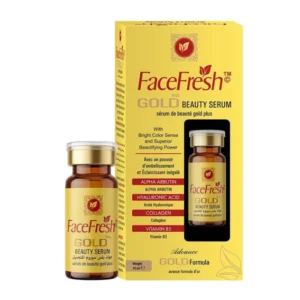 Sale!9.99$
16.99$41% OffAdd to cart This product has multiple variants. The options may be chosen on the product page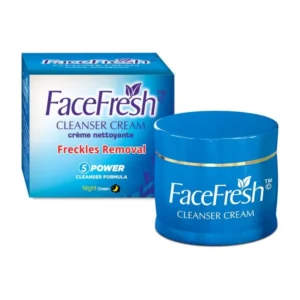 Sale!7.99$
13.99$43% OffAdd to cart This product has multiple variants. The options may be chosen on the product page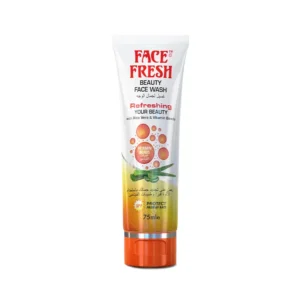 Sale!
Sale!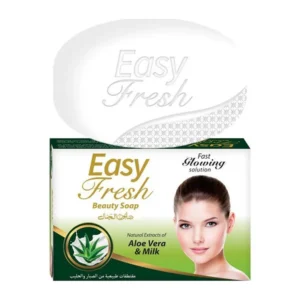 Sale!
Sale!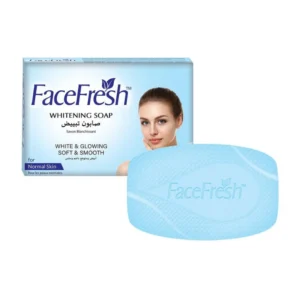 Sale!5.99$
9.99$40% OffAdd to cart This product has multiple variants. The options may be chosen on the product page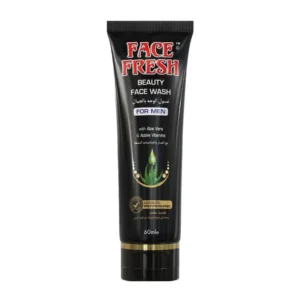 Sale!
Sale!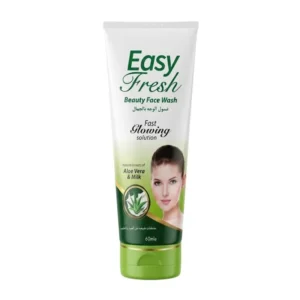 Sale!
Sale!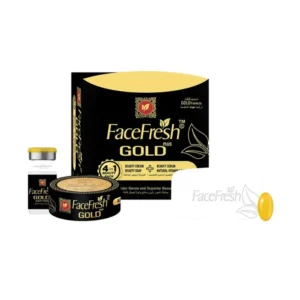 Sale!
Sale!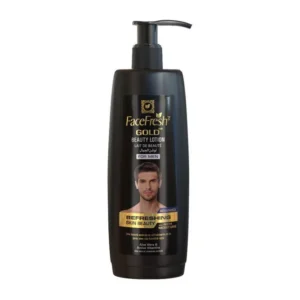 Sale!
Sale!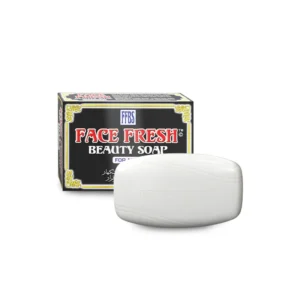 Sale!
Sale!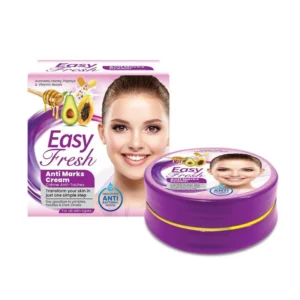 Sale!
Sale!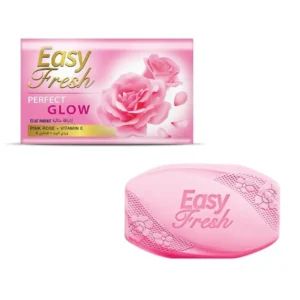 Sale!5.99$
9.99$40% OffAdd to cart This product has multiple variants. The options may be chosen on the product page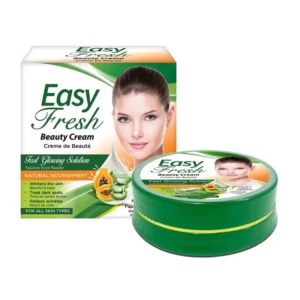 Sale!
Sale!
What aloe vera has real evidence for
Aloe has a longer research record than most botanicals, and it is worth being specific about what that record covers.
The clearest support is for partial-thickness burns and post-sun soothing, where aloe preparations have been compared against standard dressings and creams with reasonable results. There is decent evidence for soothing irritated, inflamed skin generally, and for a mild moisturising effect from its polysaccharide fraction, which forms a light film that slows water loss.
What there is very little support for: fading pigmentation, treating acne, tightening skin, or any of the anti-ageing claims that regularly appear beside it. Aloe is a comfort ingredient with a good safety record. It is not an active.
One more thing worth knowing. The yellow layer just beneath the leaf skin — the latex — contains anthraquinones, which are irritant and were once used as laxatives. Cosmetic aloe is filtered and decolourised to remove them. That is why properly processed aloe is clear or pale, and why scraping a leaf from a garden plant onto broken skin is a worse idea than it sounds.
Why a soap is the hardest format for it
A true soap is alkaline. Saponified oils sit around pH 9 to 10, which is a long way from skin's own pH of roughly 5.
Aloe's useful fraction is a set of polysaccharides and small water-soluble compounds, and that is not an environment they hold up well in. Add the manufacturing heat and the fact that a bar is rinsed away in well under a minute, and the honest position is that aloe vera soap benefits are mostly a claim about what went into the pot rather than about what reaches your skin.
This is not an argument against buying one. A gentle, well-made bar with aloe and glycerin is a pleasant thing, and the Easy Fresh Aloe Vera + Cucumber Soap page is clear-eyed about what a bar can and cannot do. It is an argument against paying a premium for the word on the wrapper, and against expecting a soap to soothe skin that a leave-on product would soothe properly.
What aloe does in a face wash
An aloe vera face wash is a detergent system with aloe added, usually near the end of the list. Its job there is not to treat anything; it is to take some of the harshness off the cleanse and leave skin feeling less stripped afterwards.
That is a real job and worth having. But it is easily outweighed by what is at the top of the list. A wash built on two strong sulphates with aloe in eleventh place is a harsh wash with a gesture in it, and no amount of aloe changes that. Read the first three ingredients before you read the front of the bottle.
In our range, the Men Beauty Face Wash is the one where aloe sits in a base mild enough for it to matter — the surfactants are gentler and there is panthenol and chamomile alongside it. It works perfectly well on any skin, whatever the name on the tube.
What aloe does in a serum, where it has the best chance
An aloe vera serum is where the ingredient finally gets what it needs: skin pH, no rinse, and hours of contact rather than seconds.
In a leave-on, aloe's polysaccharides do form that light hydrating film, and the soothing effect people describe is genuinely more noticeable. This is also why aloe turns up in so many of our serums as the comfort ingredient sitting under or over stronger actives — the Gold Plus Beauty Serum page explains what that job looks like in practice.
If you have been buying aloe soaps and washes and wondering why nothing much happens, this is the answer. You have been buying it in the two formats that give it the least to work with.
Reading the three aloe names on a Face Fresh pack
Aloe appears under three different ingredient names across the range, and they are not the same raw material.
- Aloe Vera Gel — the filleted inner leaf gel, usually as a thicker preparation. Appears in the Cleanser Cream, the Whitening Soap for Oily Skin and the Aloe Vera + Cucumber Soap.
- Aloe Barbadensis Leaf Juice — the liquid pressed from the inner leaf, often concentrated then diluted back. Appears in the Beauty Serum, both Gold Plus serums, the Anti Marks creams and the Yusma Moisturizing Body Wash.
- Aloe Barbadensis Leaf Juice Powder — the juice dried to a powder and reconstituted in the factory. Appears in the Men Beauty Lotion, whose own page explains what drying and rehydrating costs.
None of the three tells you how much is in the product, because no cosmetic label is required to. What the name does tell you is roughly how much processing happened between the plant and the pack, and the gel preparations are generally the least processed of the three.
Which Face Fresh product fits
- Everyday washing, face and body, where you want a bar that does not strip — the Easy Fresh Aloe Vera + Cucumber Soap.
- Oily skin that needs a gentler bar than most oily-skin bars — the Whitening Soap for Oily Skin, where aloe vera gel sits alongside zinc oxide.
- A cleanse you want to feel comfortable afterwards — the Men Beauty Face Wash.
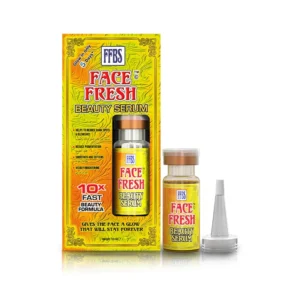
- A leave-on where aloe can actually do its job — the Face Fresh Beauty Serum, which uses aloe as the comfort layer over its tone actives.
- Dry skin that reacts to most creams — the Easy Fresh Beauty Cream, where aloe sits with milk extracts in a rich, simple base. Note that it contains dairy, which matters if anyone in the household is allergic.
The limitation, plainly: Face Fresh does not make an aloe product. We make products that contain aloe, mostly for comfort and mostly low on the list, and if you are looking for a high-percentage aloe gel to put on sunburn, buy a dedicated one instead.
FAQs
Does aloe vera actually do anything in soap?
Some. It softens the feel of the wash and leaves skin less tight. What it does not do is deliver the soothing effect that fresh aloe gel produces on burns, because a bar is alkaline and rinsed off.
Is aloe vera good for oily skin?
Yes, in the sense that it hydrates without adding oil. It will not reduce how much oil your skin makes, and no aloe product should be bought on that basis.
Can aloe vera fade dark spots?
There is very little evidence that it does. If dark marks are your concern, the tone actives in the range are the honest answer and aloe is a comfort ingredient sitting alongside them.
Is aloe safe for sensitive skin?
Generally yes, and it is one of the better-tolerated botanicals. True aloe allergy exists but is uncommon. Patch test as you would with anything new, on the inner forearm for two days.
Why is aloe so far down most ingredient lists?
Because it is used at a low percentage. That is normal and not necessarily a problem — but it does mean a product named after aloe is mostly other things, and the top of the list matters more.
Can I use fresh aloe from a plant instead?
You can, but the yellow latex just under the leaf skin is irritant and needs to be rinsed away first. Fresh gel also spoils within days without a preservative.
Which Face Fresh product has the most aloe in it?
We cannot tell you, because no label declares a percentage. What we can say is that the leave-on serums and creams give aloe far more contact time than the soaps and washes do.
Does aloe help with sunburn?
That is the use with the best evidence behind it, though it comes from studies on dedicated high-concentration gels rather than on soaps or lotions. Buy a purpose-made aloe gel for that job.
If you want aloe where it does the most, choose a leave-on rather than a bar. The Face Fresh Beauty Serum is the simplest place to start.