Free Shipping $99

+971-56842-8933
24/7 Customer service
Two different clocks are running on your face, and only one of them takes instruction. That is the single most useful thing to understand before you buy an anti ageing serum, because almost every product on the shelf works on one clock and is photographed to imply the other. The first clock is sun.
Showing all 20 resultsSorted by popularity
Ultraviolet light breaks down collagen and elastin in the dermis faster than your skin rebuilds them. This is photoageing, and in sunny climates it does the heavy lifting. It shows up as crepey texture, a leathery thickening across the cheekbones, uneven pigment mixed in with the lines, and deeper creases on whichever side of your face gets the car window.
Photoageing is cumulative and it is partly reversible. Skin that stops taking daily UV damage and gets a retinoid on it does measurably rebuild some of what it lost. Slowly, and never completely — but it moves.
Underneath that, your skin thins and dries on a timetable set by genetics and hormones. Oil production drops. The fat pads that hold the face out begin to shift, and when that shifting is what you notice in the mirror you are dealing with skin that has lost firmness rather than gained lines, which has different answers. Expression lines etch in permanently along the routes your muscles have been folding for thirty years.
No cream reaches that layer. A product that claims to is selling you the first clock’s results with the second clock’s photographs.
Three things genuinely change a wrinkle over months: sun protection, a retinoid, and an exfoliating acid used sensibly. Everything else on an ingredients list is comfort, hydration or tone.
That matters because hydration produces an immediate, real, temporary result. Plump skin reflects light differently and shallow lines all but vanish for a few hours. It is not a trick — it is just not a change. If you have ever bought a top rated anti wrinkle serum, seen a difference in a day and lost it by the following week, this is why.
The honest timeline is eight to twelve weeks before texture shifts and considerably longer before a line looks shallower in unflattering light. Anyone promising less is describing the hydration effect.
We make three products that belong in this conversation, and they are not alternatives to each other. They sit at different points.
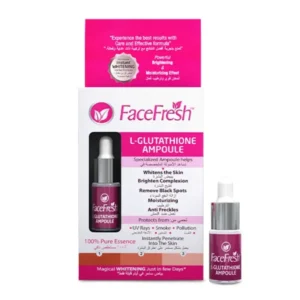
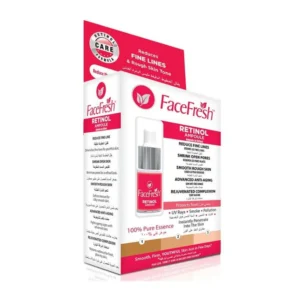
The Face Fresh Retinol Ampoule is where to begin. Retinol is the only ingredient in our range with real evidence behind it for lines specifically, and this one is deliberately gentle: retinol sits eleventh on the list, with niacinamide third to steady the skin around it. That is a starter dose on purpose, because the amount your skin will accept over six months matters far more than the amount in the bottle. If you have been comparing what people call the best anti aging serum on strength alone, this is the argument against that.
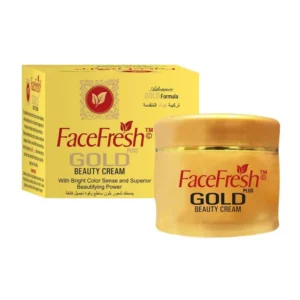
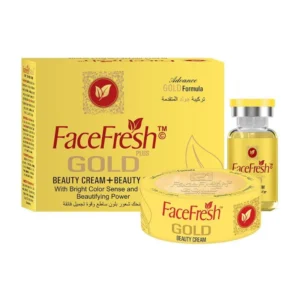
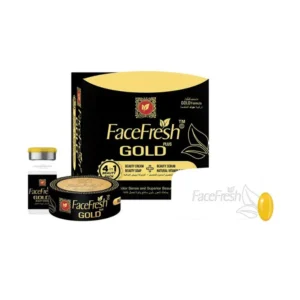
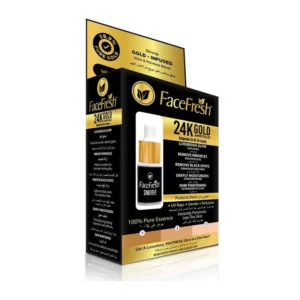
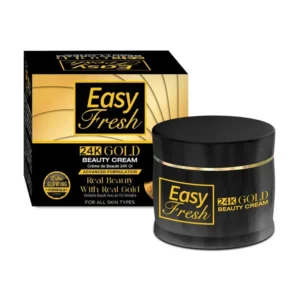
If lines arrived alongside rough patches and uneven colour — the usual photoageing package — the Gold Plus Beauty Cream does more of the job at once. It carries glycolic, salicylic and azelaic acid plus acetyl hexapeptide-8 for expression lines, and it is genuinely strong. Twice a week at night to start, never on the same night as a retinoid, and sunscreen every day without exception. People searching for the best face creams for wrinkles usually want this kind of product and usually underestimate how slowly to introduce it.
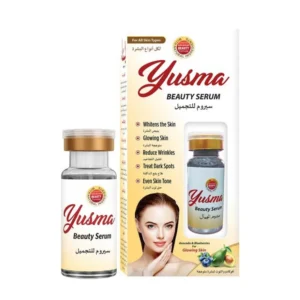
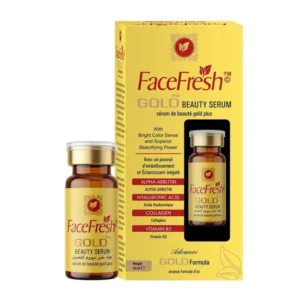
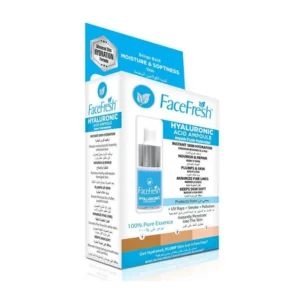
The Gold Plus Beauty Serum delivers the hydration effect described above, honestly and well. Glycerin and hyaluronic acid do the visible part; alpha arbutin works slowly on tone underneath. Buy it for how skin looks by lunchtime, not for what it does by December.
The order on any one night is simple: thin before thick. Serum or ampoule on clean, dry skin, wait a minute, then cream. The harder part is the week, because the two products that do the most for lines — a retinoid and an exfoliating acid — should not share a night.
A starting week that keeps them apart:
Rest nights are not wasted. They are what lets your skin keep accepting the active nights for months, and months are what lines need. Do not use retinol if you are pregnant, trying or breastfeeding.
Forehead lines are mostly expression lines. The muscle above your brows lifts them thousands of times a day, and over years the crease stays when the muscle relaxes. A cream or serum works on the skin over that muscle, not on the muscle itself.
That gives you a realistic split. Fine, criss-cross lines and crepey texture on the forehead respond to sunscreen, a retinoid and hydration over two to three months. A single deep line that is there even when your face is still will soften at the edges, but the best way to remove forehead lines of that depth is a doctor's decision — muscle-relaxing injections, filler, or clinic resurfacing. Acetyl hexapeptide-8, which appears in several of our creams, is studied for expression lines, but its effect in a cosmetic is modest and should be read that way.
Our article on what changes in mature skin covers forehead lines and the routine for them in more depth.
Price does not track results on this shelf. If your budget is limited, spend it in this order:
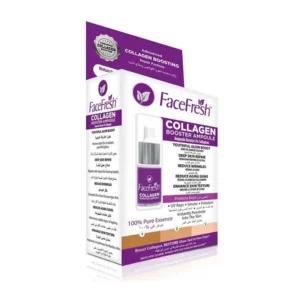
A word on collagen, because it is the most bought and least understood ingredient here. Collagen in a serum is too large a molecule to pass into the skin and become your own collagen. In the Collagen Booster Ampoule 5ml it works as a hydrator on the surface. The more interesting ingredient on that list is adenosine, which has modest evidence for fine lines. Buy it for that, and for comfort, not for rebuilding.
When you can see a line that stays put after your face relaxes. For most people in this climate that is late twenties to mid thirties. Starting earlier costs money without changing much.
The same ones, at different speeds. Fine lines respond to hydration and mild exfoliation within weeks. Set creases need a retinoid and months, and even then they soften rather than disappear.
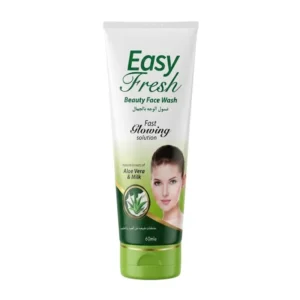
Look for a wash that leaves your skin comfortable rather than tight, because tight skin tolerates retinol badly. That is the useful thing a cleanser does for ageing skin. We do not sell an anti aging face wash and would not pretend a rinse-off is a treatment step.
No. A deep crease is folded dermis. Topicals soften the edges and improve the skin around it, which changes how noticeable it is. Removing it is a clinic conversation.
Retinol, if lines are the concern. Acids, if roughness and pigment bother you more. Running both from day one is the most common reason people quit with irritated skin in week three.
Sleep position and overnight fluid shifts. Creases pressed into skin all night take longer to spring back as you get older, which is itself a fair indicator of where your skin is.
Yes, and the difference is large. UV index in sunny climates stays high most of the year, and indoor lighting and windscreen glass do not stop UVA. Daily sun protection outperforms every serum discussed on this page.
Twelve weeks, photographed in the same light at the start. Judging by memory in a bathroom mirror is how good products get abandoned and how mediocre ones get credit.
Neither format is better on its own. What matters is the active inside it. A retinol serum does more for lines than a rich cream without one, and a good cream after the serum stops the retinol drying your skin out.
Hydrating serums, yes. With retinol, keep to the bone around the eye, not the lid or the lash line, and start once a week there. Skin around the eyes is thinner and irritates first.
WELCOME GIFT
Get 10% off your first order