Free Shipping $99

+971-56842-8933
24/7 Customer service
Not sure which products suit you? Start with your skin type. It decides the texture that will work for you: a light gel or a rich cream, a foaming wash or a gentle one.
Below you will find every Face Fresh product sorted by skin type: oily, dry, combination, sensitive, acne-prone and mature. Under the products there is a simple two-hour test to find your type, and an honest guide to what matching your type can and cannot change.
Showing 1–48 of 57 resultsSorted by popularity
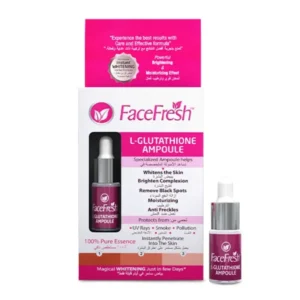
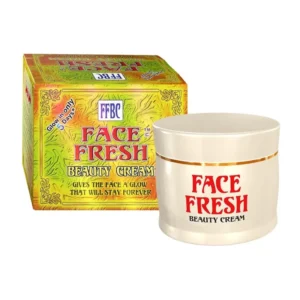
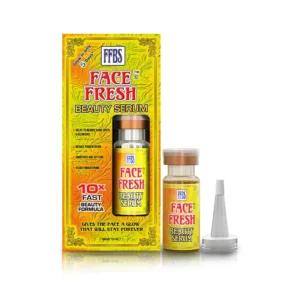
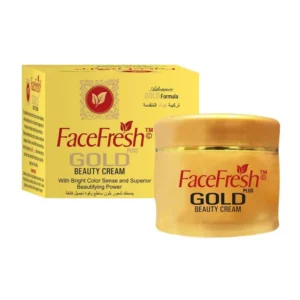
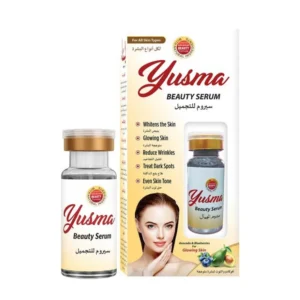
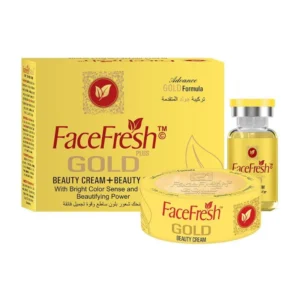
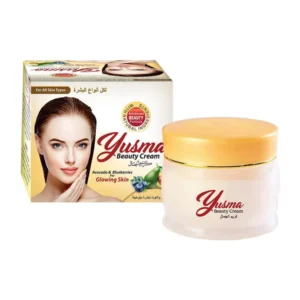
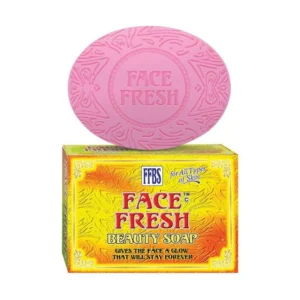
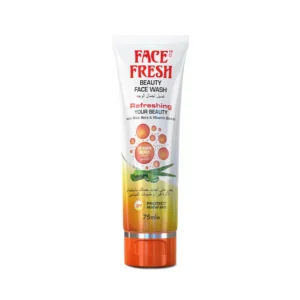
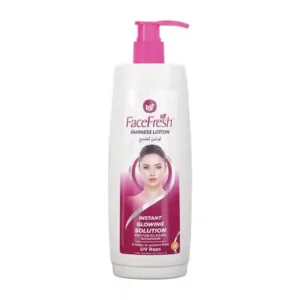
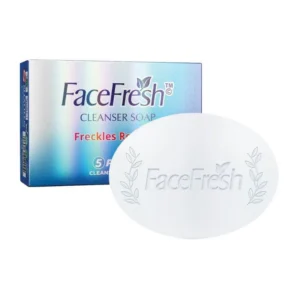
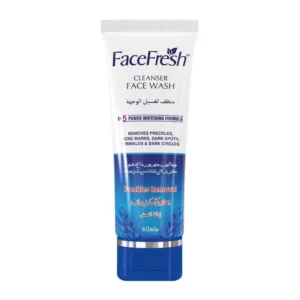
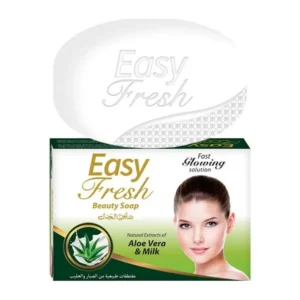
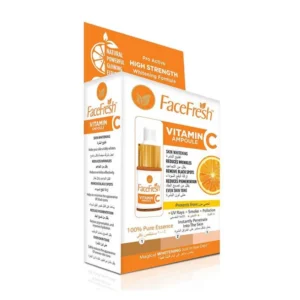
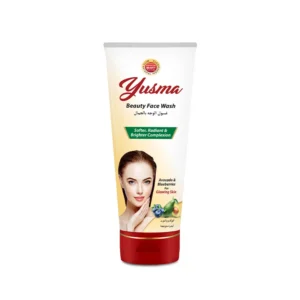
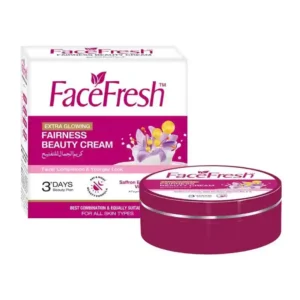
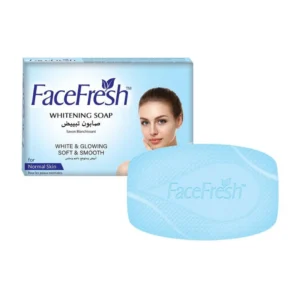
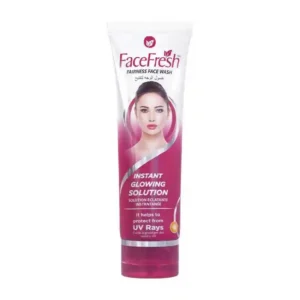
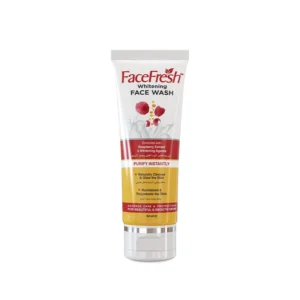
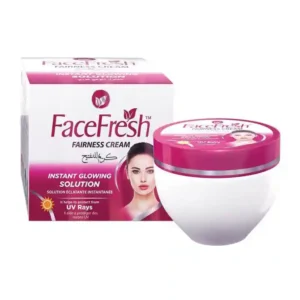
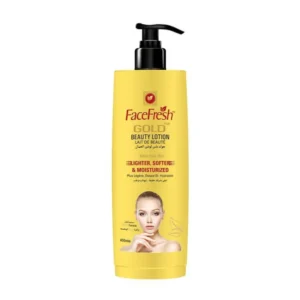
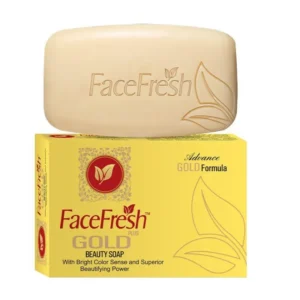
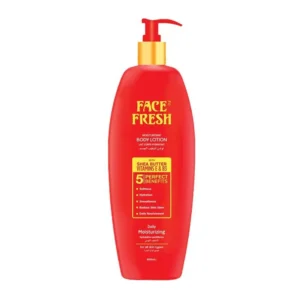
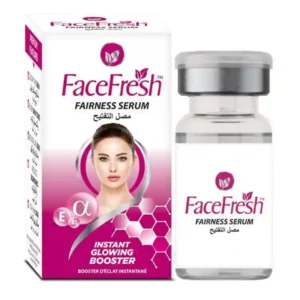
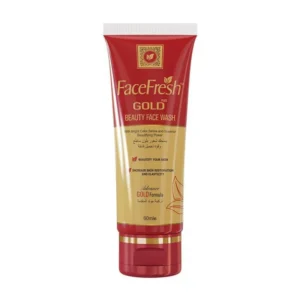
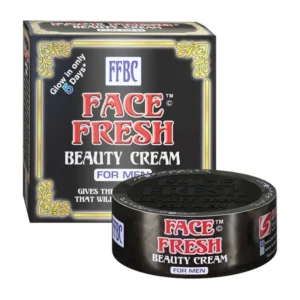
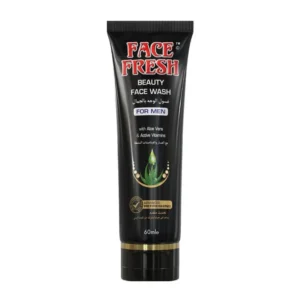
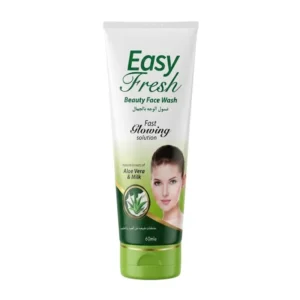
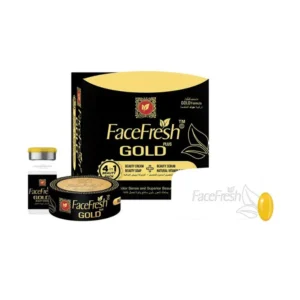
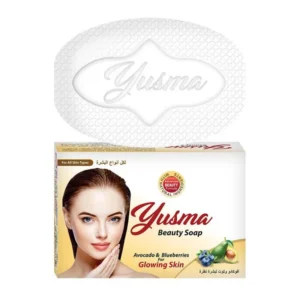
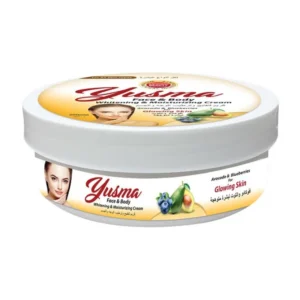
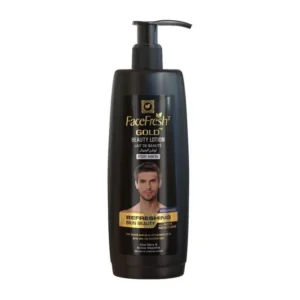
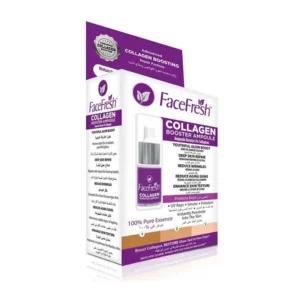
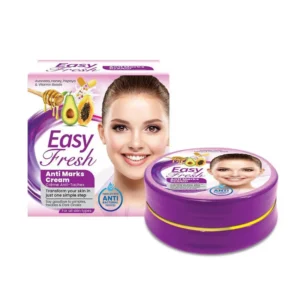
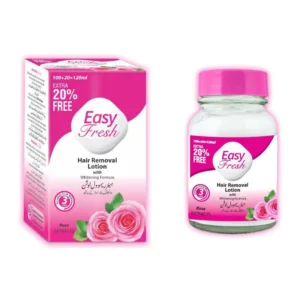
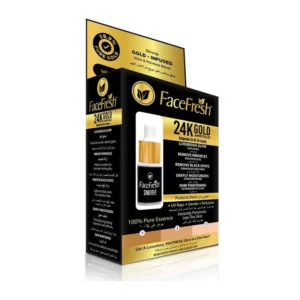
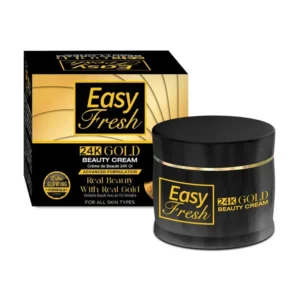
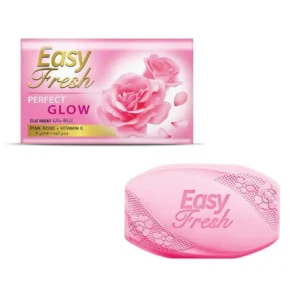
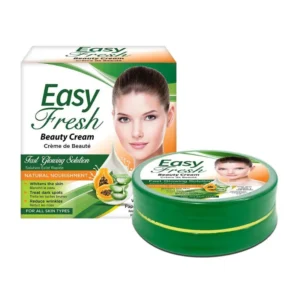
How to know your skin type takes one wash and two hours of leaving your face alone. Wash with a plain cleanser, pat dry, apply nothing at all, and look again after two hours. Shine everywhere means oily. Tight or flaking means dry. Shine on the nose and forehead only means combination.
Do the test on a day when you have not used an active product for at least twenty-four hours, and do not check it early. At thirty minutes almost every face looks dry, because you have just removed the oil that was there; at two hours you are seeing what your skin actually produces.
What the test measures is oil. It does not measure water, and those are two different things. Skin can produce plenty of oil and still feel tight, rough or papery, which is about water loss rather than oil production — and it is why “my skin is oily but it feels dry” is such a common and such a confusing sentence.
It also does not measure sensitivity. Sensitive skin is not the fourth option on this scale. It sits on top of whichever type you have, and it describes how easily your skin reacts rather than how much oil it makes. The same is true of acne-prone.
This is the part most product pages skip, and it is the reason this site has two separate hubs.
Take two people who both want to fade dark marks. One has oily skin, one has dry skin. They need the same active ingredient — the mark does not care what the skin around it is doing. What they need differently is the vehicle: a light serum or a gel-textured wash for one, a richer cream and a gentler cleanser for the other.
Get the texture wrong and the ingredient never gets a fair run. A heavy cream on oily skin leads to congestion, and the person stops using it in a fortnight. A thin serum and a foaming wash on dry skin leads to tightness and flaking, and that person stops too. In both cases the active was fine; the format was not.
So use this hub to choose what form your products take, and use the concern pages to choose what is in them.
Your type is not fixed for life. It responds to three things.
Conditions. In humid heat, oil sits on the surface for longer and everything reads as oilier. In cold, dry air the same face can flake. Neither means your type has changed permanently, and it is worth re-testing after a few months in a different climate rather than buying a whole new routine on the first tight morning.
Age. Oil production generally reduces over time. A skin that was reliably oily at twenty is often combination at forty, and the routine that suited the first frequently strips the second.
What you have been using. This is the one people miss. Washing an oily face aggressively, several times a day, can leave it tight and reactive — which then gets treated as dryness. Equally, a rich cream used for months on combination skin tends to produce congestion in the T-zone that gets treated as acne. Before you change your type, change one product and wait a month.
It will not fade a mark. A perfectly chosen face wash for your type is still a face wash — it is on your skin for under a minute and then it is gone. The things that change pigmentation are leave-on, and they are chosen by concern.
It will not make an unsuitable active suitable. If a strong product stings on sensitive skin, the answer is less often, not a different texture.
And it will not resolve skin that reacts to everything. Persistent stinging, burning or redness with every product, including gentle ones, is not a skin type and it is not something to shop your way out of. That is worth a doctor’s opinion.
One honest note about the range: only the whitening soaps are split by skin type. Everything else is formulated for general use, so matching by type here mostly means choosing a lighter or richer format among products that were not designed as a type-specific set.
If you shine within two hours and your pores are visible, start with the wash — that is the product that makes the biggest daily difference on oily skin, and the page for oily skin explains what a wash can and cannot do about it.
If you feel tight after washing and flake in cold, dry air, the cleanser is usually the culprit rather than the moisturiser. The dry skin page starts there.
If products sting, redden or itch, work from the sensitive skin page regardless of how much oil you produce, and introduce one thing at a time.
Combination, acne-prone and mature skin each have their own page in the grid above. Whichever you land on, once you have the format sorted, pick the ingredient by what your skin is actually doing.
Each type has its own page with the products that suit it. Use the signs below to choose where to start.
Whatever your type, a good routine has the same three steps. Only the texture of each step changes.
Keep it to these three steps for a month before adding anything. A simple routine you follow every day does more than a long one you give up on.
In the Gulf, many people get two climates every day: humid heat outdoors and dry, air-conditioned air indoors. Humidity makes skin look oilier, and air conditioning makes it drier. That is why so many people here describe their skin as combination, or as oily but tight.
If that sounds like you, keep the morning light, because you will be sweating and wiping your face, and put the richer step at night. Our guide to the skincare routine for hot, humid weather covers this in detail.
Yes. It shifts with age as oil production falls, and it shifts with the conditions you live in. It also shifts, temporarily, in response to a routine that is too harsh or too rich. Re-run the two-hour test once or twice a year rather than assuming the answer you got at eighteen still holds.
Not on the same scale. Oily, dry, combination and normal describe oil production. Sensitive describes reactivity, and it can sit on any of them — sensitive and oily is a common and awkward pairing. Treat it as a constraint on how strong and how often, not as a category of product.
Not on its own. Tightness in the first few minutes after a wash usually says more about the cleanser than about your skin. Judge at two hours, not at two minutes — and if tightness persists all day, change the wash before you change your conclusion.
Often the texture, rarely the active. Many people move to a lighter cream in humid conditions and a richer one in cold, dry air while keeping the same serum underneath. That is a sensible adjustment and much cheaper than rebuilding a routine.
No, although they overlap. Oily describes how much sebum you produce; acne-prone describes how readily your follicles block and inflame. Dry skin can be acne-prone, and plenty of oily skin never breaks out. If both apply to you, choose the format for oily and the strength for acne-prone.
Less strictly. Body skin is thicker and produces less oil on the limbs, so most people are effectively drier from the neck down than on the face — which is why a body lotion is usually richer than anything you would put on your cheeks.
Routinely, yes. Skin type sets the texture; the concern sets the ingredient. Two people with identical oily skin, one treating marks and one treating fine lines, should be using different products with a similar feel.
Normal skin is neither noticeably oily nor dry. It may shine a little on the nose late in the day, but it never feels tight or flaky and rarely reacts. If that is you, you do not need type-specific products. Choose by concern, and keep the routine simple.
Yes. Skin type labels describe texture, not safety. A product made for dry skin may simply feel heavy on oily skin. If you like how a product feels and your skin stays comfortable and clear, it suits you, whatever the label says.
WELCOME GIFT
Get 10% off your first order