Product categories
- Brands (58)
- Easy Fresh (9)
- Face Fresh (37)
- Yusma (12)
- Hair Care (1)
- HAIR OILS (1)
- Shop by Concern (53)
- Acne & Pimples (22)
- Dark Circles (7)
- Dark Spots & Pigmentation (34)
- Dull Skin & Glow (37)
- Freckles (3)
- Open Pores & Texture (14)
- Sagging & Skin Firmness (8)
- Scars & Stretch Marks (4)
- Uneven Skin Tone (26)
- Wrinkles & Anti-Ageing (20)
- Shop by Skin Type (57)
- Acne-Prone Skin (13)
- Combination Skin (28)
- Dry Skin (19)
- Mature Skin (6)
- Oily Skin (17)
- Sensitive Skin (9)
- Skincare (57)
- Skincare ingredient (54)
- Aloe Vera (19)
- Alpha Arbutin (24)
- Amla (1)
- Azelaic Acid (4)
- Collagen (5)
- Cucumber (2)
- Glutathione (15)
- Glycolic Acid (3)
- Hyaluronic Acid (19)
- Kojic Acid (20)
- Milk & Honey (10)
- Niacinamide (38)
- Retinol (3)
- Rice Water (1)
- Rose Water (4)
- Salicylic Acid (4)
- Shea Butter (6)
- Tea Tree Oil (4)
- Vitamin C (17)
- Vitamin E (25)
- Uncategorized (0)
Showing 17–32 of 53 resultsSorted by popularity
 Sale!
Sale! Sale!
Sale! Sale!
Sale! Sale!
Sale! Sale!5.99$
9.99$40% OffAdd to cart This product has multiple variants. The options may be chosen on the product page Sale!
Sale!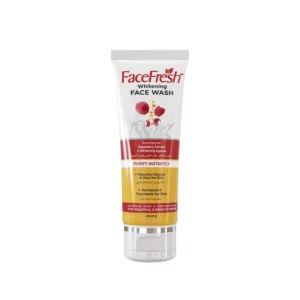 Sale!
Sale! Sale!9.99$
15.99$38% OffAdd to cart This product has multiple variants. The options may be chosen on the product page Sale!
Sale!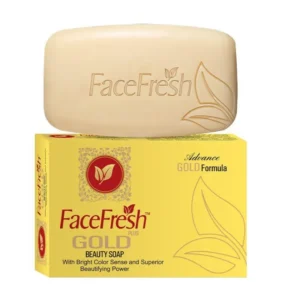 Sale!
Sale! Sale!19.99$
29.99$33% OffAdd to cart This product has multiple variants. The options may be chosen on the product page Sale!
Sale!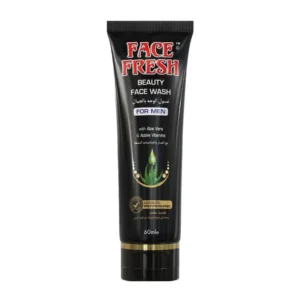 Sale!
Sale!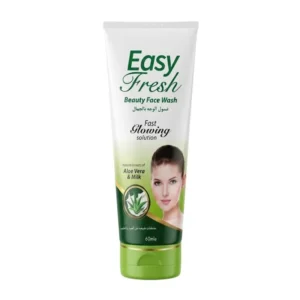 Sale!
Sale! Sale!
Sale! Sale!
Sale!
Skin concerns rarely arrive one at a time. Spots leave marks, sun deepens them, and dryness makes the whole face look duller than it is. The order you work in decides whether anything changes: calm whatever is still happening first, then treat what it left behind. Choose the concern below that is still active.
Treat the active cause before you treat the mark
A mark is a record of something that already happened. A spot that healed three months ago left a flat brown patch; the patch is finished, and it will fade. A spot that healed last week, on skin that is still breaking out, is going to be replaced by the next one.
That is why the order matters. If you are still getting spots, working on the marks alone means you fade them at roughly the same speed you make new ones. Nothing looks like it is working, because on balance nothing is.
The same applies to sun. Pigment that is still being triggered by strong light every day will not respond to a serum, no matter how well chosen. And to friction — dark patches where a strap, a waistband or a razor rubs will keep returning until the rubbing stops.
Ask one question before you buy anything: is a new one still appearing? If yes, start with the cause. If no, start with the mark.
The ten concerns, grouped by what they need
Pigment and tone — Dark Spots & Pigmentation, Uneven Skin Tone, Freckles, Dull Skin & Glow. These respond to the same family of ingredients and to time. They are also the group most damaged by sun exposure during treatment.
Still happening — Acne & Pimples, Open Pores & Texture. Treat these first if they are on your list at all, because they are the ones generating new marks for the group above.
Time and structure — Wrinkles & Anti-Ageing, Sagging & Skin Firmness. These move slowly and they move least. Expect months rather than weeks, and expect softening rather than removal.
Marks from injury — Scars & Stretch Marks. Flat, discoloured marks fade. Marks where the skin’s surface has actually changed — raised, pitted, or silvery and stretched — do not fade away with a cream, and any page telling you otherwise is selling you something.
Dark Circles sit on their own, and they are the concern most often bought for wrongly. A good share of under-eye darkness is shadow from the shape of the socket, or blood vessels showing through thin skin. Neither is pigment, and neither responds to a brightening cream. Only the genuinely pigmented kind does, which is worth knowing before you spend anything.
How to tell whether your concern is still active
Three checks, none of which needs a mirror in good light or a magnifying glass:
- Count, not shade. Are there more marks or spots this month than last? A rising count means the cause is running.
- Sun response. Does the area get noticeably darker after several days of strong sun and then settle again? That is an active pigment response, and sun protection will do more for it than any cream.
- Sensation. Marks do not itch, sting or feel warm. If yours does, that is inflammation, and it needs calming before anything else goes on it.
If you want the fuller explanation of how a mark forms in the first place, the four causes and which two of them are usually still running is worth ten minutes before you spend anything.
What a concern page can and cannot do
It can narrow the choice down to two or three products and tell you honestly what each is for. It cannot diagnose you, and it is not trying to.
Pigmentation that appeared suddenly, is spreading, sits in a symmetrical patch across both cheeks or the upper lip, or started after a change of medication is a reason to see a doctor rather than to buy a cream. So is anything that bleeds, changes shape, or does not behave like the marks around it.
On timing: most people notice flat brown marks lightening over four to six weeks of consistent use. Texture, firmness and old scars take considerably longer, and some do not change at all.
And on sun: there is no product in the Face Fresh range with a tested sun protection rating. For anything in the pigment group, a properly rated sunscreen bought elsewhere is the single highest-value thing you can add, and it will do more than upgrading from one of our creams to another.
Where to start when you have more than one concern
If you have spots and the marks they left, the spots come first. Get the count falling, then bring in something for the marks — and expect the two jobs to overlap for a few weeks rather than run in sequence.
If you have dullness and uneven tone, these are close enough to treat together. One leave-on product with a tone ingredient, used daily, covers both. The products grouped for marks and pigmentation are the same ones that lift dullness.
If you have fine lines and marks, treat them as separate budgets. They need different ingredients, they move at different speeds, and combining two strong actives on the same face at the same time is the most common cause of the irritation that creates fresh marks.
If you would rather choose by texture than by problem — a wash, a cream, a lotion, a serum — start from your skin type instead and come back here afterwards.
Frequently asked questions
Can I work on two skin concerns at the same time?
Usually yes, if they need different product types. A wash for spots and a cream for marks is a sensible pairing. Two strong leave-on actives at once is where people run into trouble — the irritation costs more than the extra ingredient gains, especially on skin that marks easily.
I have spots and dark marks. Which do I treat first?
The spots, or at least first. Every new spot has a reasonable chance of leaving a new mark, so while the count is rising you are refilling the problem as fast as you fade it. Once new spots are rare, shift the effort to the marks.
How long before I know whether something is working?
Give it four to six weeks of daily use before you judge anything aimed at marks or tone. Judge it by photographs taken in the same place and the same light, not by memory — day-to-day change is far too small to notice and far too easy to imagine.
Are dark circles a pigmentation problem?
Sometimes, and often not. Shadow from the bone structure and blood vessels under thin skin both read as darkness and neither is pigment. If gently stretching the skin sideways makes the darkness vanish, it is more likely to be vessels or shadow, and a brightening product will disappoint you.
Do I need different products for marks on my body?
Often yes. Body skin is thicker, the areas are much larger, and a facial serum is neither practical nor economical across a whole back or both legs. Look for lotions and creams sized for body use rather than stretching a face product.
Can one cream cover several concerns?
It can genuinely help with more than one if they share an ingredient family — marks, uneven tone and dullness often move together. It cannot cover concerns that need different mechanisms, so a single product claiming to fix spots, wrinkles and pigmentation at once is worth reading sceptically.
When is a skin concern a reason to see a doctor?
When a patch spreads, appears suddenly without an obvious cause, arrives with a new medication, sits symmetrically across both cheeks, or when a spot bleeds, changes shape or will not heal. Also when any concern is affecting how you feel day to day — that alone is a good enough reason.