
Description
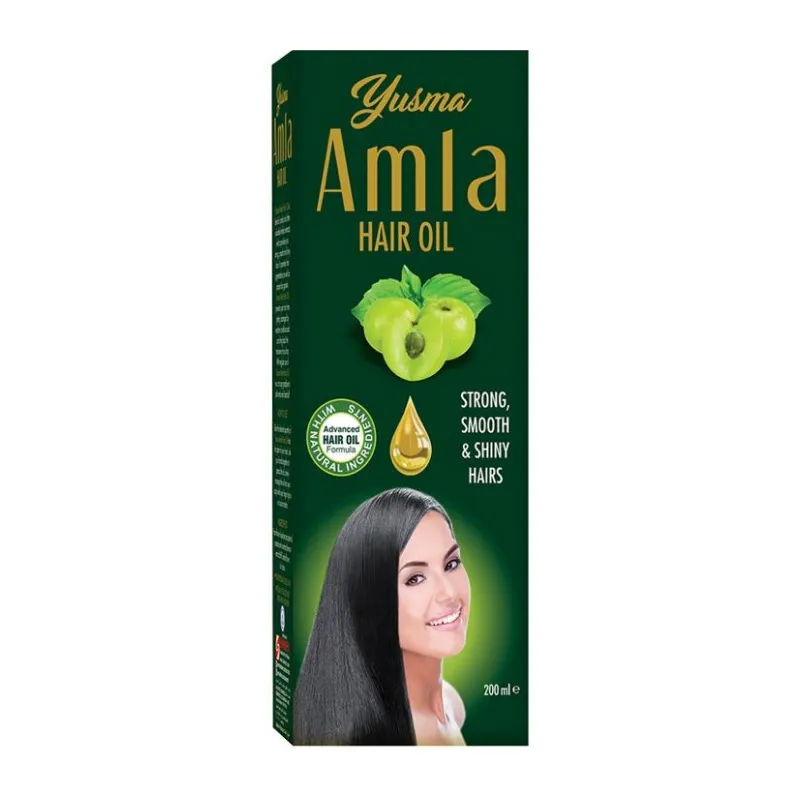
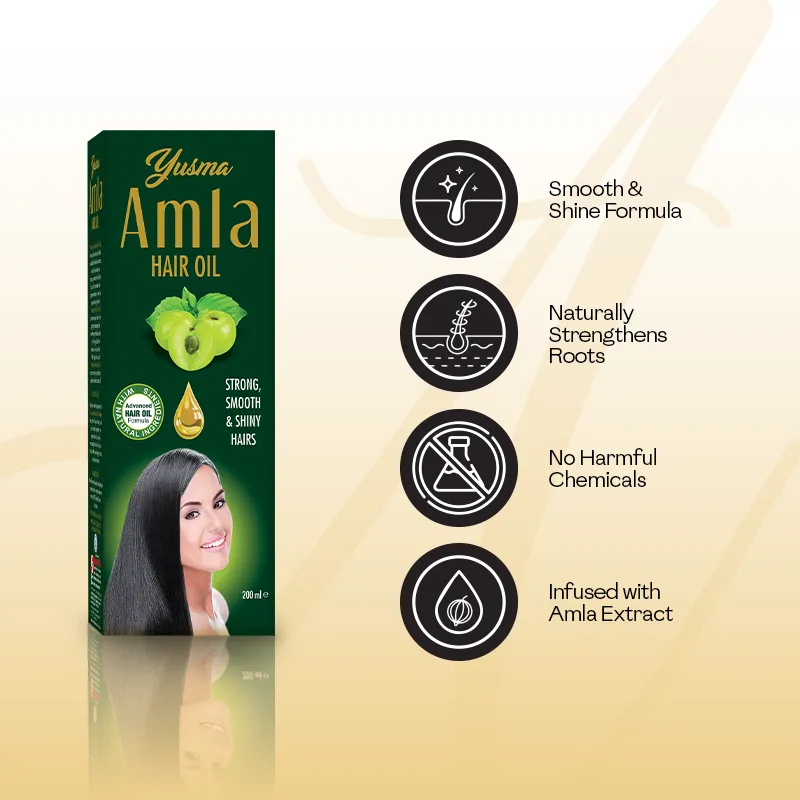
An amla hair oil is bought to grow hair, so it is worth saying what is in this one. Paraffinum liquidum is first, amla extract third. A coating oil reduces the friction and the swelling that snap hair mid-length.
That matters more than it sounds. Most people are not failing to grow hair — they are losing it at the ends faster than it arrives. A hair oil for growth works on that half of the equation. Used as a pre-wash treatment it also softens a dry scalp before shampoo strips it, which is why a hair oil for dry scalp is usually applied before washing rather than after.
Real amla hair oil: how to read the bottle
Amla is a fruit, not an oilseed. Squeeze an Indian gooseberry and you get juice, never oil. So every amla hair oil, from a village kitchen to a supermarket shelf, is made the same basic way: the fruit or an extract of it goes into a carrier oil, and the carrier is what you actually rub into your hair.
That changes the question. “Real amla hair oil” cannot mean pure amla oil, because there is no such thing. It can only mean real amla in a carrier you are happy with. Three things on the label tell you which kind you are holding:
- The first ingredient is the carrier. Here it is paraffinum liquidum, a light mineral oil. In other bottles it may be coconut or sesame oil. None of them is fake; they simply feel different on the hair and wash out differently.
- Amla should appear by name. In this bottle amla extract is third. An oil that only lists “amla flavour” or “fragrance” smells of amla without containing it.
- Colour and scent are often added. This formula lists both amla flavour and oil colour alongside the extract, so the green tint and the fruity smell are not proof of strength. The full list is in the Ingredients tab, word for word from the pack.
Organic amla oil for hair growth: what the word changes
Organic describes how the fruit was farmed. It says nothing about how much amla ended up in the bottle, and it does not change what any oil can do for a follicle. An organic amla oil for hair growth has the same evidence behind it as a conventional one, which is to say traditional use and very little human research.
This bottle makes no organic claim, and we would rather say so than let a search term imply it. What it offers is a light, inexpensive coating oil with amla and henna extracts in it, which is a fair thing to buy for dry lengths and breakage. If organic certification matters to you for its own sake, look for a certifier’s logo and number on the pack, not just the word.
A simple amla hair oil routine for dry hair and a dry scalp
Most people get more from a steady weekly habit than from heavy, occasional oiling. Air conditioning indoors, strong sun outdoors and frequent washing are what dry hair out, so the routine below is built around those.
- Twice a week, before washing. Oil the lengths and ends first, then the scalp. Leave it on for one to three hours, or overnight with an old pillowcase.
- Wash it out properly. Two rounds of shampoo, conditioner on the ends only. Oil left behind is what makes hair look flat by the next day.
- In between, ends only. On very dry or curly hair, a drop or two rubbed between the palms and smoothed over dry ends keeps them softer. Keep it off the scalp on these days.
- Give it six weeks. Less breakage shows up as fewer short snapped hairs on your comb and in the shower, and that takes a few washes to notice.
For the longer version, our guide on how to use amla oil for hair growth goes into massage and timing, and hair fall and dry hair explains which kinds of shedding an oil can help with and which need a doctor. If the scalp itself is the problem, start with our healthy scalp routine, and see what amla is if you are curious about the fruit.
Ready to start? A 200ml bottle used twice a week lasts months, so it is an easy one to try for a full six weeks and judge for yourself. The rest of our hair products are on the hair care page.
Reviews
There are no reviews yet