


Most people who use Face Fresh cream have no problem with it at all. Some feel a light tingle for the first few nights, and a small number react to something in the formula, usually the fragrance or one of the acids. The Gold Beauty Cream, the strongest in our range, has its own section below. This guide explains what is normal, what is a sign to stop, and who should check with a doctor first. It also covers the bigger risk that has nothing to do with our formulas: fake packs.
Is Face Fresh cream safe?
For most skin, yes, when it is used the way the pack says: a thin layer, at night, on clean skin, with sunscreen in the morning. Every Face Fresh cream has its full ingredient list on its product page, and none of them contains mercury, hydroquinone or a steroid.
That said, “safe” never means “suits everyone”. Every cream that does something to skin tone has active ingredients in it, and actives can irritate. Knowing which cream contains what is the quickest way to know what to expect.
What is in Face Fresh creams, and why it matters
Our creams are not all the same strength. The ingredients that cause most side effects are acids, fragrance and a few base ingredients that some people are allergic to. Here is where they are:
Face Fresh Beauty Cream: one acid (lactic acid), plus fragrance, colour and lanolin alcohol in a rich petrolatum and wax base.
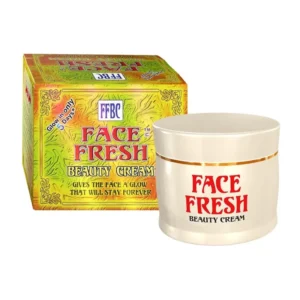
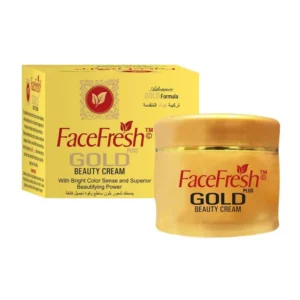
Face Fresh Gold Beauty Cream: the strongest of the range. It contains three acids: glycolic, salicylic and azelaic, plus fragrance.
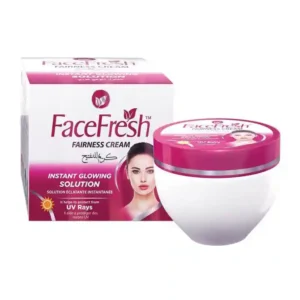
Face Fresh Fairness Cream: no exfoliating acid. Kojic acid dipalmitate and alpha arbutin lead, with tea tree oil, fragrance and two parabens as preservatives.
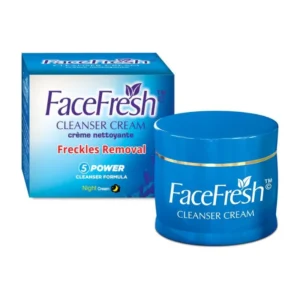
Cleanser Cream: no acids. Kojic acid dipalmitate with aloe vera gel, two parabens and fragrance.
Men Beauty Cream 23gm: lactic acid, lanolin alcohol, three plant oils, fragrance and colour.
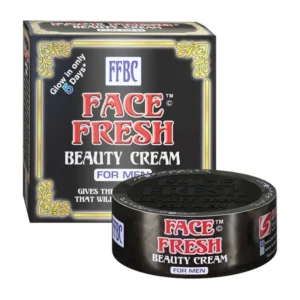
If you have reacted to a skincare product before, compare the ingredient list of that product with the one you are about to try. The same trigger usually shows up again.
Face Fresh beauty cream side effects that are normal
These are common in the first one to two weeks and usually settle on their own:
- A light tingle or warmth for a few minutes after applying, from lactic acid in the Beauty Cream and Men Beauty Cream, or from the three acids in the Gold Beauty Cream.
- Slight dryness or fine flaking, mostly with the Gold Beauty Cream. The acids loosen dead surface cells, and some of that shows.
- A white or greyish look if you use too much. Several of our creams contain zinc oxide or titanium dioxide, which are white mineral pigments. A pea-sized amount is enough for the whole face.
- A heavy feel on oily skin. Most of our creams have a rich base. On oily skin, use less, or use it every other night.
If the tingle is still strong after a week, go down to every other night. If it does not calm down then, the cream is probably too strong for your skin right now.
Face Fresh Gold Beauty Cream side effects
The Gold Beauty Cream gets the most questions, and it needs the most care. It is the only cream in our range with three exfoliating acids in one formula: glycolic acid, salicylic acid and azelaic acid. Each works a little differently, so together they loosen dead surface cells faster than the single mild acid in our other creams. That is what makes it effective, and it is also why it is the cream most likely to sting or flake.
What to expect in the first few weeks:
- Tingling for a minute or so after you apply it, especially on freshly washed skin.
- Light, dry flaking in the first two weeks, as the acids loosen old surface cells.
- Skin that burns more easily in the sun. Glycolic acid is an alpha hydroxy acid (AHA), and the US FDA notes that AHAs make skin more sensitive to UV light while you use them and for about a week after you stop.
How to start the Gold Beauty Cream safely
- Patch test it for three nights first, using the steps further down this page.
- Use it two nights a week for the first two weeks, then three nights a week in weeks three and four. Go further only if your skin stays calm.
- Use a thin layer. More cream does not work faster, and too much is where peeling starts.
- Never use it on the same night as retinol, a scrub or another acid product.
- Wear sunscreen every morning while you use it, and for a week after you stop.
If you are allergic to aspirin, pregnant or breastfeeding, read “Who should check before using it” below before you start, because of the salicylic acid. To understand how the acids differ, see salicylic acid vs glycolic acid, and our guide on how to exfoliate safely explains how to avoid overdoing it.
Signs to stop using it
- Itching, a rash, small raised bumps or swelling. That is an allergic reaction, not the cream “working”.
- Burning or redness that is still there the next morning.
- Peeling that leaves raw or shiny patches.
- New clogged pores or breakouts in the area you apply it, after two or three weeks of use.
- Patches that turn darker rather than lighter. On deeper skin tones, irritation itself can leave a dark mark.
If any of these happen, wash the cream off with plain water, stop all actives, and use only a gentle cleanser and a simple moisturiser for a week. If a rash or swelling does not settle in a day or two, see a pharmacist or doctor and take the carton with you so they can read the ingredients.
Who should check before using it
- Pregnant or breastfeeding: ask your doctor before starting any brightening cream. This matters most for the Gold Beauty Cream, which contains salicylic acid.
- Allergic to aspirin: salicylic acid is related to aspirin, so avoid the Gold Beauty Cream unless a doctor says it is fine.
- Allergic to wool or lanolin: the Beauty Cream and Men Beauty Cream contain lanolin alcohol.
- Sensitive to fragrance: every one of our creams lists fragrance. If you are not sure whether your skin is sensitive, our guide on how to know if you have sensitive skin will help.
- Eczema, rosacea, sunburn or broken skin: wait until the skin has healed, and talk to your doctor if the condition is ongoing.
- Already using retinol or another acid: do not stack them on the same night. Use one active per night, or alternate.
How to patch test a new cream
- Put a small amount behind your ear or on the side of your jaw.
- Leave it on overnight, the way you would use it normally.
- Repeat for three nights in the same spot.
- If there is no itching, rash or lasting redness, start on the whole face every other night for the first week.
A patch test does not catch everything, but it catches most allergies to fragrance, lanolin and preservatives before they reach your whole face.
The bigger risk: fake creams
Most of the frightening stories about “whitening creams” are about creams that contain mercury, hydroquinone or strong steroids. Those ingredients can thin the skin, cause rebound darkening and, in the case of mercury, harm the kidneys and nerves. None of them is in any Face Fresh formula, but copies of popular creams do exist.
Our only official online stores are facefresh.com and facefresh.ae. If you buy anywhere else:
- Check the pack is sealed and the net weight matches the size you paid for.
- Compare the ingredient list on the carton with the list on our product page. It should match word for word.
- Do not use anything that lists mercury, mercurous chloride, calomel, hydroquinone, clobetasol or betamethasone.
- Treat a price far below the official stores as a warning sign.
Not sure about a pack you already have? Keep it closed and send a photo of the carton through our contact page. More on checking an original pack is on our About Face Fresh page.
What Face Fresh cream will not do
It will not change your natural skin colour, and no cream sold over the counter should promise that. What the tone ingredients do is slow pigment where it has built up, so marks and patches fade towards the rest of your skin over six to twelve weeks.
It is also not a sunscreen. Some of our creams contain zinc oxide or titanium dioxide, but none has a tested SPF. Wear a broad-spectrum sunscreen every morning. It protects your skin and it stops marks from darkening again while the cream works.
Frequently asked questions
Can Face Fresh cream damage my skin?
Used as directed, it should not. Damage usually comes from using too much, using it with other strong actives, ignoring signs of irritation, or using a fake pack. If your skin stings, peels badly or itches, stop and let it recover before trying again.
Why does my face sting when I put the cream on?
Usually because of the acid in it. Lactic acid in the Beauty Cream and the three acids in the Gold Beauty Cream can cause a short tingle, especially on freshly washed or shaved skin. Wait ten minutes after washing before you apply it. If the sting lasts more than a few minutes, use it less often.
Can I use Face Fresh cream every day?
Most people can use it every night once their skin is used to it. Start every other night for the first week. The Gold Beauty Cream needs a slower start: two nights a week for the first two weeks, as explained above. In the daytime, use sunscreen on top or skip the cream.
Is Face Fresh cream safe for teenagers?
Teenage skin rarely needs a brightening cream. A gentle cleanser, a light moisturiser and sunscreen do more for most teenagers. If a teenager does want to use one, choose a cream without strong acids and patch test first.
What happens if I stop using it?
Nothing harmful. The quick, lighter look from the mineral pigments goes as soon as you stop, because it washes off. Marks that have genuinely faded stay faded, but they can return over time if the sun exposure that caused them continues.
Can men use Face Fresh cream?
Yes. Men shaving daily should apply the cream at night rather than straight after shaving, when skin is more easily irritated. The Men Beauty Cream 23gm is made with this in mind.